Area guides
How to Rent an Apartment in Japan as a Foreigner: A Step-by-Step Guide
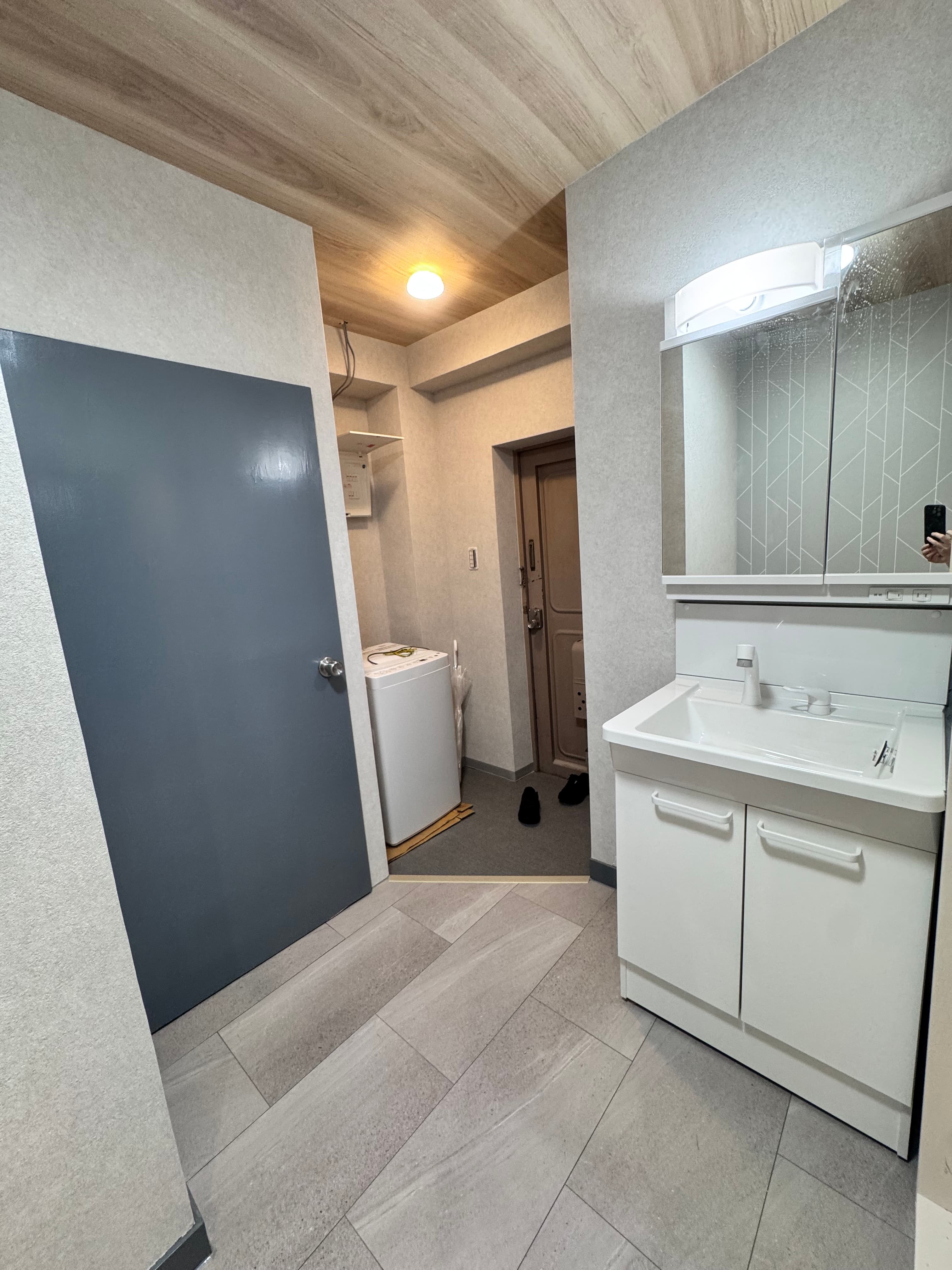
Finding an apartment for foreigners in Japan can feel intimidating at first — the process involves more paperwork than renting back home, and not every landlord is set up to work with non-Japanese tenants. The good news is that thousands of foreign residents rent apartments in Japan every year, and the process becomes straightforward once you know the steps.
Step 1: Decide what type of apartment for foreigners fits you
Japan's rental market splits into a few distinct property types, and each one changes how much paperwork and cash you need upfront. A standard Rental House usually means a 2-year lease and an unfurnished unit, while a Furnished Rental or Share House comes ready to move into and often skips the guarantor requirement entirely. If you're not sure which fits your situation, our breakdown of Rental House, Furnished Rental, and Share House is a good place to start.
Step 2: Set your budget, including the upfront costs
Rent itself is only part of the cost. A traditional lease typically requires a security deposit (shikikin), key money (reikin), a lock-change fee, and an agency commission — often adding up to 4-6 months of rent before you even move in. Furnished rentals and share houses usually ask for far less upfront, sometimes just a security deposit and first month's rent. Decide early which trade-off — lower monthly rent with high upfront costs, or the reverse — works better for you.
Step 3: Gather your documents
Landlords and agencies will ask for your Residence Card (Zairyu Card), passport, and proof of income or employment, and in most cases a Certificate of Residence (Juminhyo) once you've registered your address at the local ward office. If you've just landed in Japan and don't have a Juminhyo yet, a furnished rental can work as a bridge while you sort out longer-term paperwork. See our full documents checklist for the complete list.
Step 4: Search listings built for foreigners
Not every listing on the general market is set up for non-Japanese tenants — some require a Japanese guarantor, a long employment history, or simply don't have English support. Searching through an agency that filters for apartments for foreigners with no guarantor and no key money saves you from wasting time on properties that will reject your application before you even get to the viewing stage.
Step 5: Get through screening
Most landlords require either a personal guarantor (hoshounin) or a guarantor company (hoshou kaisha) that you pay a fee to use instead. You'll also usually need an emergency contact — someone the landlord can reach if they can't reach you, which is different from a guarantor and carries no financial liability. Our guide on renting without a guarantor walks through your options if you don't have a Japan-based guarantor available.
Step 6: Sign the lease and pay the initial costs
Once approved, you'll sign a lease (usually in Japanese, though many agencies serving foreigners provide an English summary), pay the initial move-in costs, and get your keys. Read the lease terms on renewal fees, notice periods for moving out, and restitution requirements before you sign.
Step 7: Move in and register your address
After moving in, register your new address at the local ward office within 14 days — this updates your Residence Card and is required for setting up utilities, a bank account, and a phone contract.
Finding the right fit
The apartment-hunting process in Japan rewards a bit of preparation. Knowing your budget, gathering your documents early, and searching through listings that are actually built for foreign tenants will save you from most of the friction. You can browse rental houses, furnished rentals, and share houses across Japan filtered by area, price, and amenities to get started.