Area guides
Documents You Need to Rent an Apartment in Japan as a Foreigner
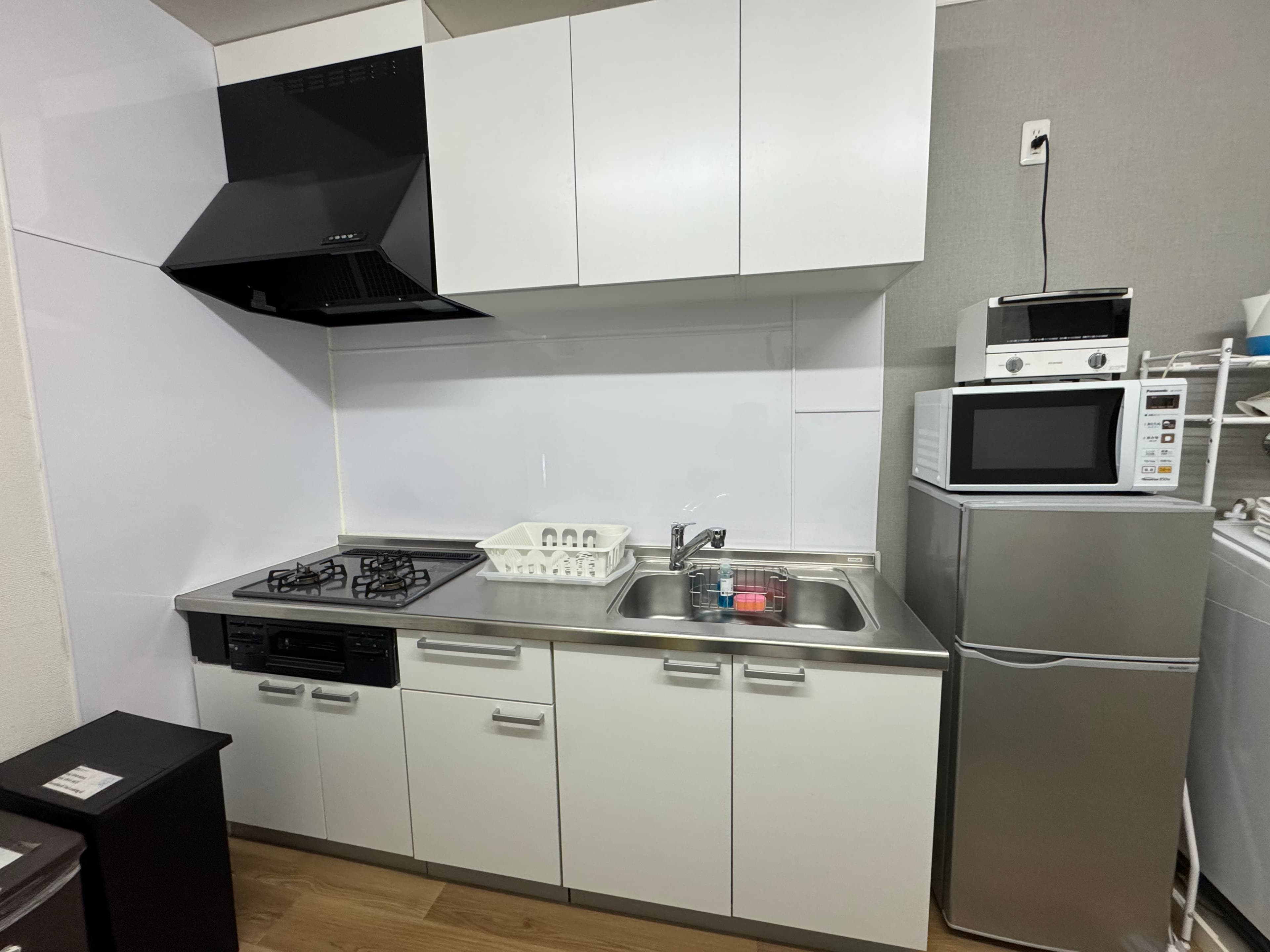
Paperwork is usually the part of renting an apartment for foreigners in Japan that causes the most stress, mainly because the exact list changes depending on your visa status, how long you've been in the country, and the type of property you're applying for. Here's what to have ready before you start submitting applications.
Residence Card (Zairyu Card)
Your Residence Card is the single most important document. It confirms your visa status, length of stay, and work permissions, and almost every landlord or agency will ask to see it before anything else.
Passport
You'll typically need to show your passport alongside your Residence Card, particularly the photo page and the page with your entry stamp or visa.
Certificate of Residence (Juminhyo)
Once you've registered your address at your local ward office, you can obtain a Juminhyo, which many landlords request as proof you're a registered resident. If you've only just arrived in Japan and haven't registered an address yet, this is often the one document you're missing — which is exactly why furnished rentals and monthly apartments, which tend to have lighter document requirements, work well as a first step.
Proof of income or employment
Landlords want reassurance you can pay rent. This usually means a work contract, an employer's certificate of employment (zaishoku shomeisho), or recent pay slips. Students may need a letter from their school along with proof of a scholarship or a parent's financial backing.
Emergency contact details
Almost every application asks for an emergency contact — someone the landlord or agency can reach if they can't reach you. This person has no financial responsibility for your rent, unlike a guarantor, and is often a friend, colleague, or your employer's HR contact.
Guarantor information or guarantor company application
If you're using a personal guarantor, you'll need their contact and income details. If you're using a guarantor company instead — the more common route for foreign tenants — you'll fill out a short application and pay a fee, usually equivalent to half to one month's rent. See our guide to renting without a guarantor for how this works in practice.
My Number, if you have one
Some agencies ask for your My Number (Japan's individual number system) for identity verification, though this isn't universal and depends on the property and agency.
Bank account details
You'll need a Japanese bank account for paying rent and utilities by direct debit in most cases. If you haven't opened one yet, note that some banks require a Juminhyo or a certain length of residency, so this can be a chicken-and-egg problem for very new arrivals — another reason a furnished rental as a first landing spot can simplify your first few months.
A hanko or signature
Older or more traditional landlords may ask for a personal seal (hanko), though a signature is increasingly accepted, especially at agencies used to working with foreign tenants.
Bringing it all together
The document list looks long, but most foreign renters only need three or four of these items for any given application, and agencies that specialize in apartments for foreigners will tell you exactly what's required for each listing before you apply. Having your Residence Card, passport, and proof of income ready from day one covers the large majority of cases.