Area guides
Apartments for Foreigners in Japan Without a Guarantor: Your Options Explained
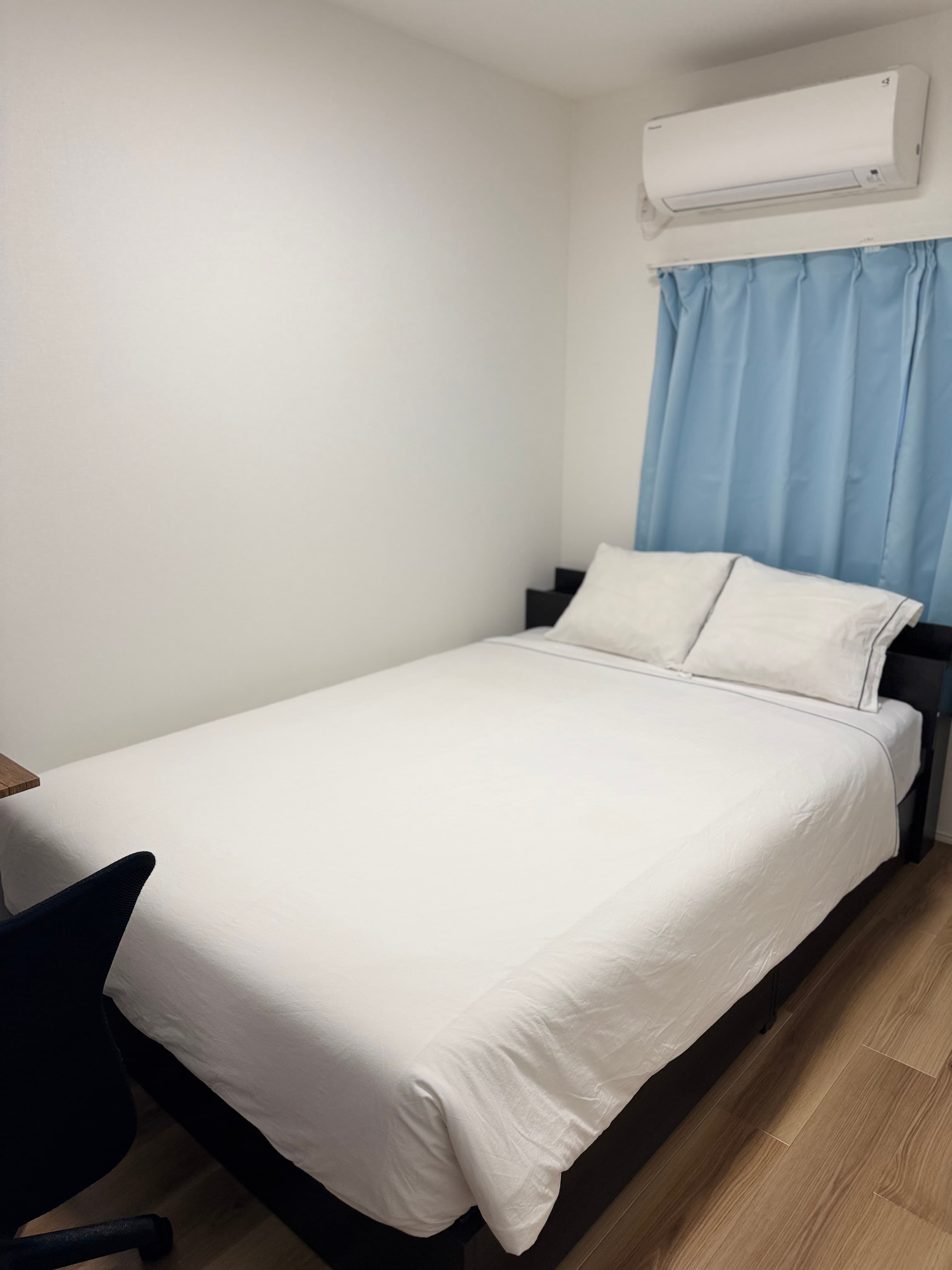
One of the first questions that comes up when searching for an apartment for foreigners in Japan is whether you need a guarantor — and what happens if you don't have one. A guarantor (hoshounin) is someone who agrees to cover your rent if you can't pay, and traditionally landlords expected this to be a Japanese national with an established income. For most foreign residents, especially those newly arrived, that's simply not realistic. Fortunately, the rental market has adapted, and there are now several practical routes to renting without one.
Option 1: Use a guarantor company
The most common workaround is a guarantor company (hoshou kaisha). Instead of asking a person to vouch for you, you pay the company a one-time or annual fee — typically around half to one month's rent — and it acts as your guarantor for the lease term. This is now standard practice at most agencies working with foreign tenants, including on properties that advertise themselves as "no guarantor required," since the guarantor company step happens behind the scenes.
Option 2: Search listings marked no-guarantor
A growing number of listings are explicitly marked as not requiring a guarantor or guarantor company at all. These are more common among furnished rentals, share houses, and monthly apartments, where the landlord has already built the higher risk into the pricing or has a shorter, more flexible commitment from tenants. Filtering your search for these property types is often the fastest way to skip the guarantor conversation entirely.
Option 3: Choose a Furnished Rental or Share House
Furnished Rentals and Share Houses are structurally different from a standard 2-year lease, and that difference is exactly why they tend to be easier for foreigners without a Japan-based support network. Shorter minimum stays, included furniture, and simpler paperwork mean landlords in this segment are used to processing applications from tenants who don't have a guarantor, a long Japan credit history, or even a Juminhyo yet. If you're comparing your options, our guide to Rental House, Furnished Rental, and Share House breaks down which one fits a no-guarantor situation best.
What about UR housing?
UR (Urban Renaissance Agency) rental housing is worth knowing about if you plan to stay long-term: it waives the guarantor company requirement for every applicant as a blanket policy, not case-by-case. The trade-off is that UR buildings are older on average and availability varies heavily by area, so it's not a fit for everyone, but it's a legitimate no-guarantor path if you find a unit that works for you.
You'll still need an emergency contact
Even with a guarantor company or a no-guarantor listing, almost every landlord will still ask for an emergency contact (kinkyu renrakusaki). This is not the same as a guarantor — an emergency contact has no financial responsibility for your rent and is simply someone the landlord or agency can reach if they can't get in touch with you. A friend, colleague, or your employer's HR contact is usually enough.
Don't let "no guarantor" become "no options"
Not having a Japan-based guarantor shouldn't rule out finding a good apartment. Between guarantor companies, listings that skip the requirement outright, and property types like furnished rentals and share houses that are built around flexibility, most foreign renters find a workable path within a week or two of searching. You can browse no-guarantor, no-key-money listings across Japan to see what's currently available in your target area.