Area guides
Panduan Belanja Bahan Makanan di Jepang untuk Warga Asing: Panduan Lengkap
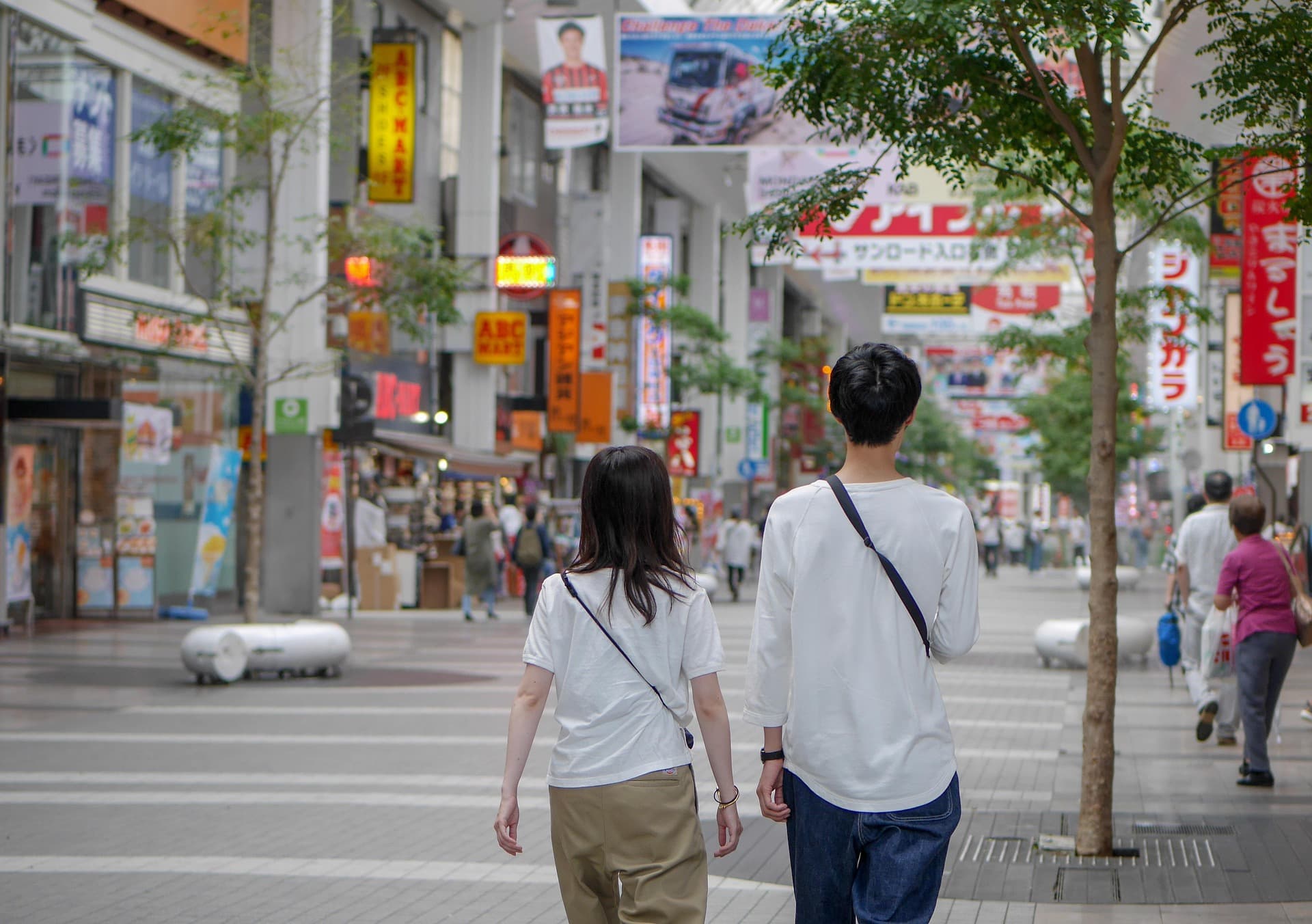
Once you settle into a routine, grocery shopping in Japan becomes one of life's pleasures. The quality is high, the variety is excellent, and the system — once understood — is extremely convenient. Here's a complete breakdown for foreign residents.
Types of Food Shops in Japan
Japan has several distinct types of food retail:
Supermarkets (スーパー)
The main destination for weekly shopping. Quality is consistently high. Major chains include:
- Life (ライフ) — excellent range, good deli section, widespread in Tokyo
- Maruetsu (マルエツ) — affordable, good fresh produce, many Tokyo locations
- Ito-Yokado (イトーヨーカドー) — large format with non-food sections; good for families
- AEON (イオン) — nationwide chain with large stores and AEON malls
- OK Store (オーケー) — discount supermarket; lower prices but excellent quality
- Seiyu (西友) — Walmart subsidiary; good value, often open late
- Peacock (ピーコック) — upmarket supermarket; good for imported goods
- Kinokuniya (紀ノ国屋) — premium import-focused supermarket; English labels on many products
Convenience Stores (コンビニ)
7-Eleven (セブンイレブン), FamilyMart (ファミリーマート), and Lawson (ローソン) are open 24 hours and stock surprisingly good fresh food:
- Onigiri (rice balls) from ¥130
- Bento boxes from ¥450
- Fresh sandwiches, salads, hot foods
- A full range of daily essentials
For fresh staples and emergency shopping, convenience stores are genuinely useful.
Discount / Budget Supermarkets
- Gyomu Super (業務スーパー) — bulk and professional-grade products at very low prices; excellent for large households
- Hanamasa (ハナマサ) — 24-hour professional-use supermarket; bulk meat, good value
- Don Quijote (ドン・キホーテ) — discount variety store with a food section; late-night staple
Specialty and International Food Shops
- Shin-Okubo (新大久保) — Korean and Southeast Asian grocery stores
- Ameyoko Market (アメ横) near Ueno — discount fresh food, nuts, dried goods
- Kaldi Coffee Farm (カルディ) — imported goods, spices, sauces, coffee
- Costco — requires membership; suburban locations; excellent for bulk US/international products
- National Azabu, Meidi-ya — premium import supermarkets (Hiroo/Minato area)
Reading Japanese Food Labels
Japanese food packaging can be intimidating, but a few key terms help:
| Japanese | Reading | Meaning |
|---|---|---|
| 賞味期限 | shōmi kigen | Best before date |
| 消費期限 | shōhi kigen | Use by date (must be eaten by this date) |
| 国産 | kokusan | Domestically produced (Japan) |
| 有機 | yūki | Organic |
| 無添加 | mu tenka | No additives |
| 冷凍 | reitō | Frozen |
| 解凍 | kaitō | Defrosted (do not refreeze) |
Dates are written in Japanese format: year/month/day. For example, 26.05.14 = 2026, May 14.
Common Japanese Supermarket Staples
Rice (米): Japan takes rice seriously. Look for brands like Koshihikari (コシヒカリ) or Akitakomachi (あきたこまち). Available in 2kg, 5kg, and 10kg bags.
Soy sauce (醤油): Kikkoman and Yamasa are reliable brands. Reduced-salt (減塩) options available.
Miso (味噌): Available as red (赤味噌), white (白味噌), or mixed. Used for soup and marinades.
Tofu (豆腐): Firm (木綿 / momen) or silken (絹 / kinu). Inexpensive and nutritious.
Noodles: Ramen, soba, udon, somen — all widely available fresh and dried.
Vegetables: Seasonal vegetables are prominently displayed and priced accordingly. Spring: bamboo shoots and mountain vegetables. Summer: edamame and corn. Autumn: mushrooms and sweet potato. Winter: daikon and nabe (hot pot) ingredients.
Meat and Seafood
Japanese supermarkets excel at meat and seafood:
- Pork (豚肉) is heavily used in Japanese cooking; very affordable
- Chicken (鶏肉) — thigh (もも), breast (むね), and ground (ひき肉) are the most common cuts
- Beef (牛肉) — can be expensive for premium cuts; look for thin-sliced shabu-shabu or sukiyaki cuts
- Sashimi-grade fish — supermarkets sell fresh sliced fish daily; quality is excellent
- Frozen seafood — excellent range at lower prices
Shopping Tips for Foreign Residents
Bring your own bag: Since 2020, plastic bags cost extra (¥2–5). Most stores sell reusable bags at the register.
Priority stickers: Items close to their sell-by date are marked with yellow or orange discount stickers — often 20–50% off. Evening shopping (after 19:00) is the best time to find these.
Gyomu Super hack: Gyomu Super sells large tubs of imported goods (tomato paste, coconut milk, spices) at a fraction of the price of regular supermarkets. Essential for home cooks.
Points cards: Most supermarket chains have loyalty cards. Life Card, WAON (AEON), and Nanaco (7-Eleven) all offer points redeemable as cash.
Payment: Most supermarkets accept IC cards (Suica, Pasmo), credit cards, and cash. Self-checkout machines are increasingly common.
International Ingredients in Tokyo
Finding international ingredients is easier than it used to be:
- Halal food: Halal shops in Shin-Okubo and online (Halal Food Japan)
- South/Southeast Asian ingredients: Ameyoko, Shin-Okubo, and Gyomu Super
- Western imports: Kaldi, National Azabu, Costco (membership required)
- Indian spices: Shin-Okubo and several Indian grocery stores in major wards
Summary
Once you know where to look, grocery shopping in Japan is one of the best aspects of living here. Supermarkets are clean, well-stocked, and frequently discounted. For international ingredients, a combination of Kaldi, Gyomu Super, and Shin-Okubo covers almost everything.
Living in Tokyo and looking for an apartment? Browse our listings at Shin Housing.