News
Beat the Heat: How to Survive Summer in Japan (And Why You Should Be Drinking Juroku-cha)
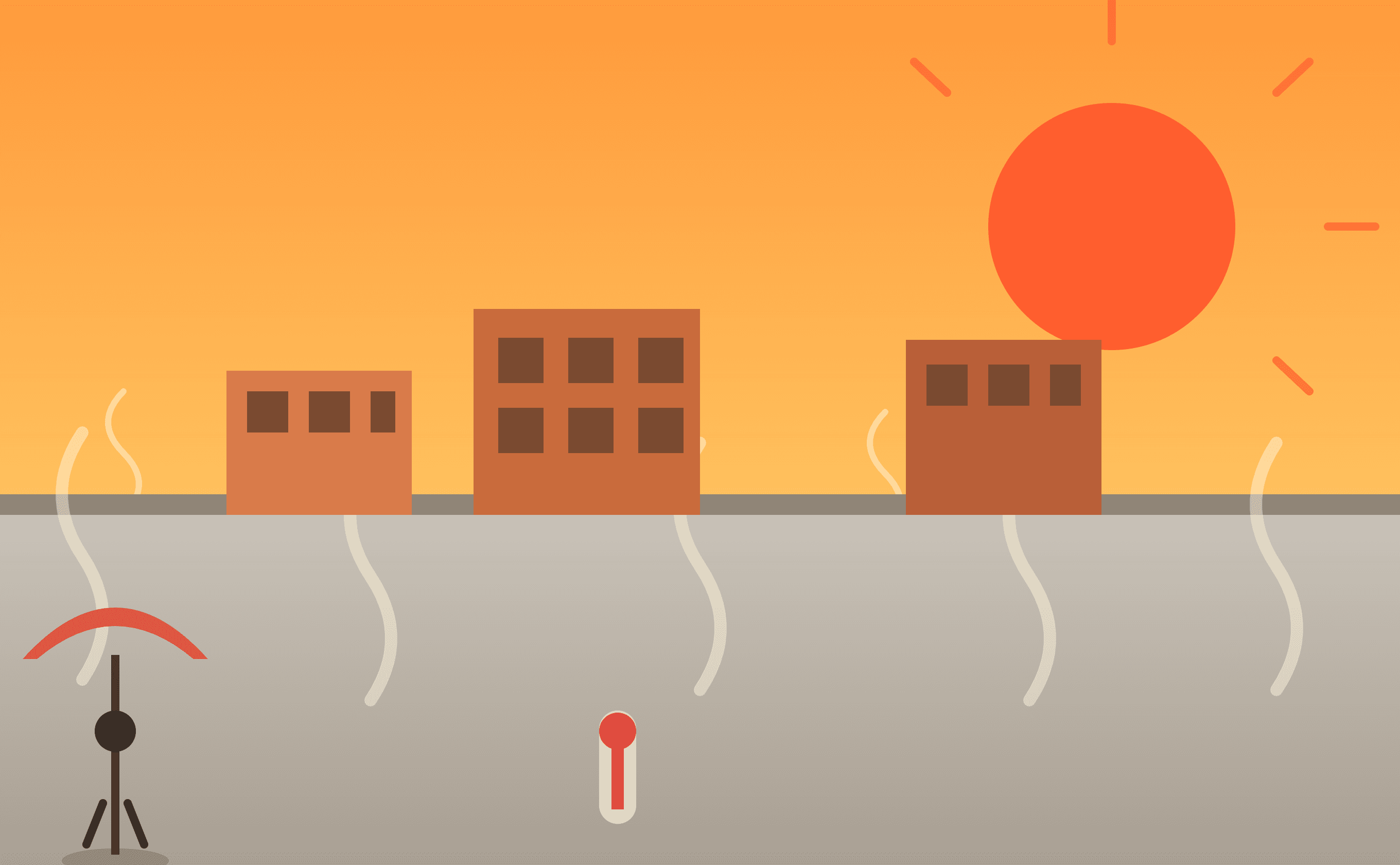
Summer in Japan isn't just hot — it's a full-body experience. Between the blazing sun, punishing humidity, and city streets that seem to radiate heat back at you, Japanese summers (especially July and August) can catch even seasoned travelers off guard. Add rising temperatures and more frequent heatwaves in recent years, and staying safe outdoors has become more important than ever.
Here's what you need to know to get through the season comfortably — and why a bottle of Juroku-cha (十六茶) might just become your new summer essential.
Why Japanese Summers Hit So Hard
Unlike a "dry heat," Japan's summer humidity often sits above 70-80%. This makes it much harder for your body to cool itself through sweat evaporation, which means the risk of heatstroke (熱中症, necchūshō) climbs fast — even on days that don't feel like record-breaking highs on a thermometer. Every year, thousands of people in Japan are hospitalized for heat-related illness, and a significant number of cases happen indoors, not just outside.
Dos: How to Stay Safe
Hydrate before you're thirsty. Thirst is a lagging indicator — by the time you feel it, you're already mildly dehydrated. Sip water or tea regularly throughout the day rather than chugging a large amount all at once.
Replace electrolytes, not just water. Heavy sweating flushes out sodium, potassium, and other minerals. Plain water alone won't replace what you lose, which is part of why mineral-rich teas and sports drinks are so popular in Japan during summer.
**Use the shade and cooling spots strategically. ** Convenience stores (konbini), train stations, and shopping malls are air-conditioned lifesavers. Don't be afraid to duck inside for a few minutes on a long walk.
**Wear breathable, light-colored clothing. ** Japan's own "Cool Biz" movement (encouraging lighter business attire in summer) exists for a reason — loose, breathable fabrics help your body regulate heat far more effectively than tight or dark clothing.
**Use cooling goods. ** Handheld fans, cooling neck wraps, and cooling sprays are sold everywhere in Japan during summer for good reason — they genuinely help manage body temperature throughout the day.
**Check the heatstroke alert. ** Japan's Ministry of the Environment issues daily heatstroke warnings (熱中症警戒アラート) for different regions. It's worth a quick check before heading out, especially during peak afternoon hours.
Don'ts: Common Mistakes to Avoid
**Don't skip meals. ** Low food intake in hot weather can worsen fatigue and make it harder for your body to regulate temperature and retain fluids.
**Don't rely on caffeine or alcohol to hydrate. ** Both are diuretics, meaning they can actually accelerate fluid loss rather than replenish it.
**Don't underestimate indoor heat. ** Many heatstroke cases in Japan happen inside homes without air conditioning use, particularly among elderly residents. If you're indoors without AC on a hot day, that counts as exposure too.
**Don't push through exercise or heavy activity during peak hours. ** Late morning through mid-afternoon is the most dangerous window. If you need to be active outdoors, early morning or evening is safer.
**Don't ignore early symptoms. ** Dizziness, headache, nausea, or unusual fatigue are early warning signs of heat exhaustion. Rest, hydrate, and cool down immediately rather than waiting to see if it passes.
Why Juroku-cha (十六茶) Deserves a Spot in Your Bag
If you've spent any time in a Japanese convenience store during summer, you've probably seen the distinctive bottles of Juroku-cha — literally "sixteen tea," named for the blend of sixteen different grains, beans, and herbs (like barley, brown rice, adzuki beans, and job's tears) that go into it.
A few reasons it's such a popular summer choice:
- **Caffeine-free. ** Unlike green tea or black tea, Juroku-cha contains no caffeine, so you can drink it throughout the day — even in large quantities — without the dehydrating effects of caffeine or worrying about your sleep.
- **Naturally mild and refreshing. ** It has a gentle, slightly roasted, nutty flavor that's easy to drink cold, all day long, without the sweetness of soft drinks.
- **No added sugar. ** It's typically sold unsweetened, making it a much better everyday hydration option than sports drinks or sodas if you're drinking it constantly.
- **A genuinely Japanese approach to hydration. ** Grain teas like mugicha (barley tea) and juroku-cha have been part of Japanese summer culture for generations, long before "hydration" became a wellness buzzword — this is a tried-and-tested local solution to a very real local problem.
It won't replace electrolyte drinks if you're sweating heavily during intense exercise, but as a daily go-to for staying hydrated while working, walking around the city, or relaxing at home, it's hard to beat.
The Bottom Line
Japanese summers demand a bit of respect. Hydrate consistently, watch for warning signs, use the cooling infrastructure all around you, and keep a bottle of something like Juroku-cha within reach. Small habits like these make the difference between a summer you push through and one you actually enjoy.