Area guides
Shopping in Japan: From Supermarkets and Department Stores to 100-Yen Shops and Online Shopping
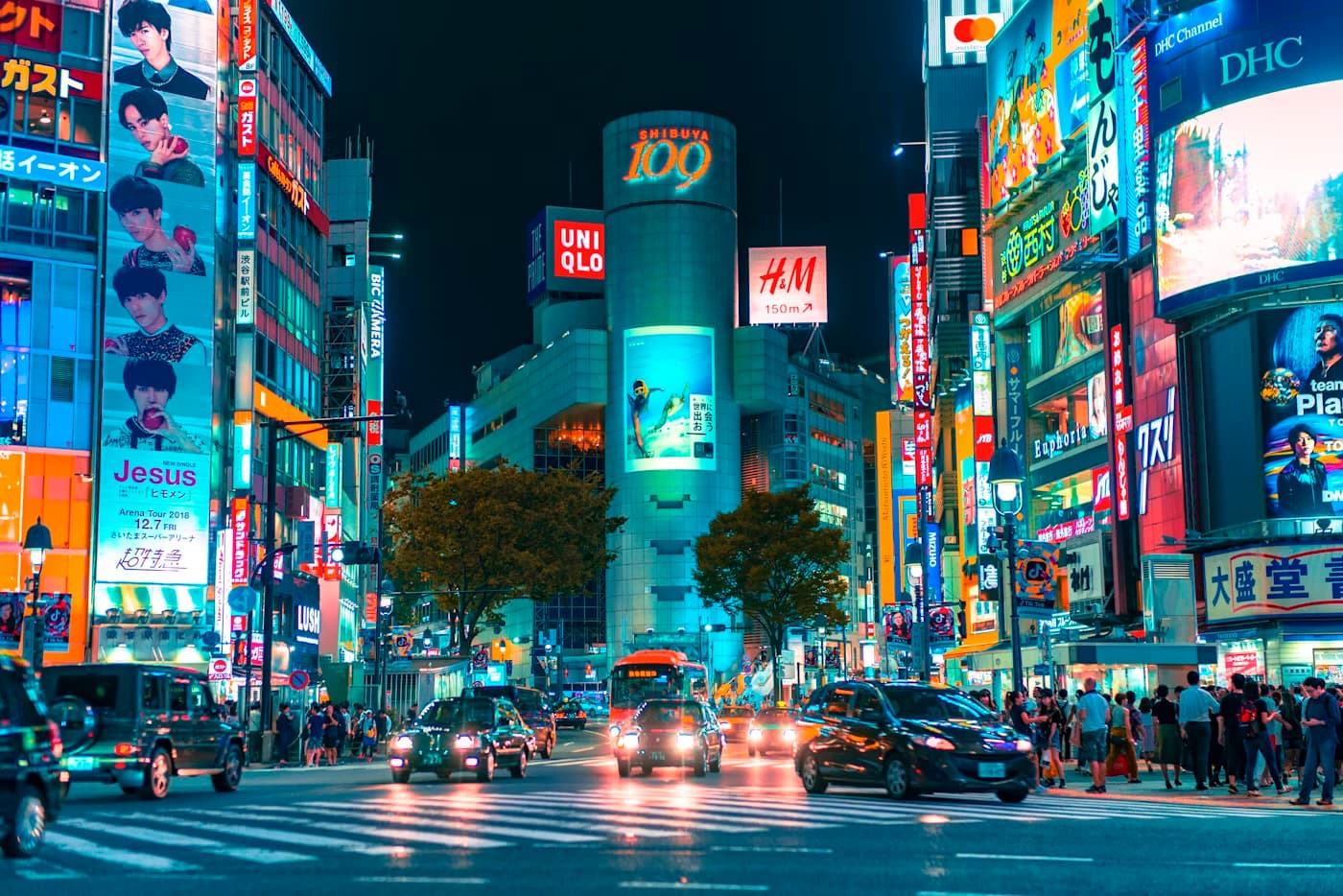
Japan offers one of the most diverse and rewarding shopping experiences in the world. Whether you're stocking your kitchen, furnishing your apartment, or hunting for unique finds, this guide will help you navigate every type of retail environment Japan has to offer.
Supermarkets (Suupaa)
Supermarkets are the backbone of daily grocery shopping. Key things to know:
- Opening hours: Most open from 9am–10pm; some 24-hour options available
- Checkout etiquette: Place your basket on the conveyor belt; after payment, bag your own items at the bagging area (packing counter)
- Discount timing: Many supermarkets reduce prices on fresh food, sushi, and bento boxes by 20–50% in the evening (usually from 7pm onwards). Look for yellow or red discount stickers.
- Seasonal products: Japan's supermarkets rotate seasonal items — always something new to discover
- Major chains: AEON, Ito-Yokado, Seiyu, Life, Maruetsu, Tokyu Store
Recommended Supermarket Chains by Region
- Tokyo: Tokyu Store, Maruetsu, Ito-Yokado, Life, Summit
- Osaka/Kansai: Hankyu Oasis, Izumiya, Kansai Super
- Nationwide: AEON, Seiyu (Walmart-affiliated)
Department Stores (Depato)
Department stores are multi-floor retail palaces carrying everything from high-end fashion to household goods and gourmet food. The basement floors (depachika — department store underground) are famous for their extraordinary selection of prepared foods, sweets, and regional specialties.
Major department store chains: Isetan, Mitsukoshi, Takashimaya, Sogo, Marui (0101), Lumine
Tips for department store shopping:
- Formal service — staff bow and offer meticulous assistance
- Tax-free shopping available for foreign visitors (show your passport)
- Gift-wrapping services available (especially important for omiyage/souvenirs)
- Restaurant floors (usually top floors) offer high-quality dining with city views
100-Yen Shops (Hyaku-en Shop)
Japan's 100-yen shops are legendary — everything costs ¥100 (plus tax), and the quality often far exceeds the price. Major chains:
- Daiso: The largest and most widespread — thousands of items from kitchenware to stationery, cleaning supplies, crafts, and seasonal decorations
- Seria: Known for stylish, minimalist design items — popular with interior decorators
- Can Do: Good selection of household goods and food items
What to buy at 100-yen shops: Kitchen tools, storage containers, cleaning supplies, stationery, party supplies, seasonal decorations, phone accessories, and basic cosmetics
Drugstores and Pharmacies (Doragu Sutoa)
Japanese drugstores go far beyond medicines — they carry cosmetics, food, daily essentials, and even fresh produce at competitive prices. Major chains include Matsumoto Kiyoshi, Welcia, Tsuruha Drug, and Sundrug. These are excellent for affordable everyday items.
Home Goods Stores
- Nitori: Japan's equivalent of IKEA — affordable furniture, bedding, and home goods. Essential for furnishing a new apartment.
- Muji (Mujirushi Ryohin): Minimalist lifestyle brand offering quality clothing, stationery, food, and home goods.
- Tokyu Hands: Multi-story lifestyle and DIY store with an extraordinary range of products for the home and creative projects.
- IKEA: Several large locations in major cities.
Electronics and Gadgets
- Yodobashi Camera / Bic Camera: Large electronics retailers carrying everything from smartphones to home appliances. Strong point card systems and tax-free shopping for foreign visitors.
- Akihabara (Tokyo): The iconic electronics district — also the center of anime, manga, and gaming merchandise.
Point Card Systems
Japan has an extensive loyalty point ecosystem. Key cards to get:
- Rakuten Point: Works at Rakuten online, Lawson, McDonald's, and many other partners
- T-Point: Accepted at FamilyMart, Tsutaya, and many retailers
- Ponta Point: Lawson, Showa Shell stations, and more
- d-Point: NTT Docomo ecosystem, accepted widely
- Waon / nanaco: Prepaid IC cards that double as point cards at AEON and 7-Eleven respectively
Accumulate points across multiple cards — they add up quickly and can save thousands of yen per year.
Online Shopping in Japan
- Amazon Japan (amazon.co.jp): Available in English — fastest and most convenient for most everyday items. Prime membership offers same-day or next-day delivery.
- Rakuten Ichiba: Japan's largest domestic marketplace. Japanese interface but powerful with Rakuten Points accumulation.
- Yahoo! Shopping: Another large marketplace — often has good deals with Yahoo! Points.
- Mercari: Japan's leading second-hand marketplace app — great for buying and selling used items.
- ZOZOTOWN: Japan's top fashion e-commerce platform.
Tax-Free Shopping for Foreign Residents
Foreign visitors can shop tax-free at many retailers by showing their passport. However, once you have a residence card, you are generally no longer eligible for tourist tax-free shopping. Some retailers offer separate discount programs for long-term residents — always ask.
Shopping Etiquette Tips
- Always take a shopping basket when entering a store (not doing so may look suspicious)
- Do not eat or drink products before paying for them
- Reusable bag programs: most stores charge ¥2–5 per plastic bag since 2020. Bring your own reusable bag (eco bag) to save money and reduce waste.
- When paying, place money/cards in the tray on the counter — avoid handing cash directly to the cashier
Japan's shopping culture is an experience in itself — enjoy exploring everything from world-class department stores to neighborhood shotengai (shopping streets).