Area guides
Setting Up Utilities in Japan: Electricity, Gas, Water, and Internet for Foreign Residents
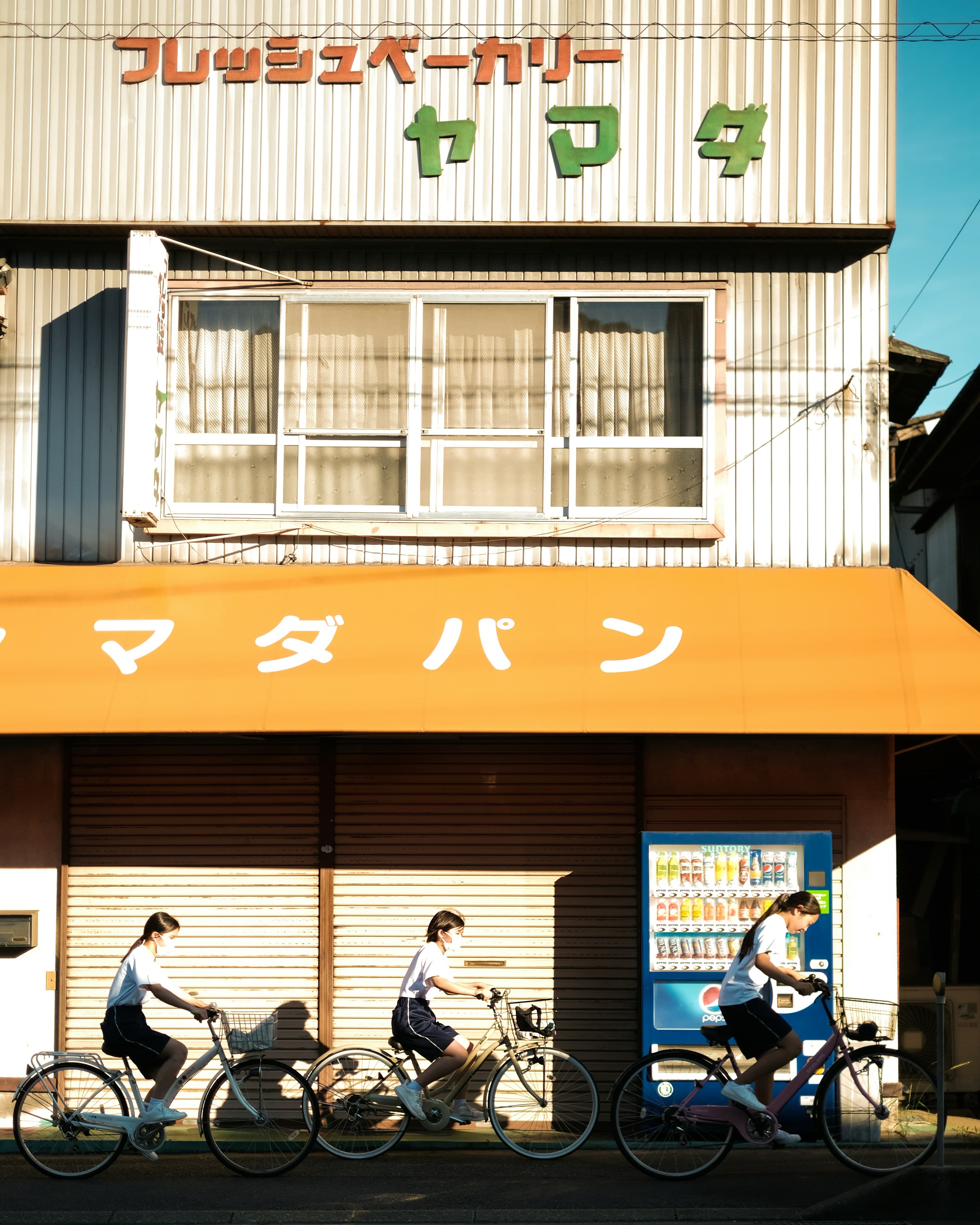
Moving into a new apartment in Japan involves more than just unpacking boxes.
Setting up essential utilities — electricity, gas, water, and internet — is one of the first and most important tasks you'll need to complete.
This guide walks you through the process for each service, including what documents you need and how to handle the setup as a foreign resident.
Electricity (電気)
First Steps
When you move into a new apartment, check the breaker box (ブレーカー) — it may already be connected.
Look for a leaflet or postcard from the electricity provider near your mailbox or left by your landlord.
If no information is available, find out which electricity company covers your area and contact them directly.
How to Register
Registration can be done online, by phone, or at a convenience store payment terminal in some cases.
You'll need your new address, move-in date, and sometimes your previous address.
Some providers may require your My Number or residence card information.
Electricity service is typically activated on the day you move in or the following business day.
Major Providers
Tokyo Electric Power Company (TEPCO / 東京電力) covers the Kanto region including Tokyo.
Kansai Electric Power (関西電力) covers the Osaka, Kyoto, and Kobe areas.
Chubu Electric Power (中部電力) covers Nagoya and surrounding areas.
Since deregulation, you can also compare and choose from multiple competing electricity providers for better rates.
Gas (ガス)
Important Note
Gas setup requires an in-person inspection by a technician — you cannot activate gas service on your own.
This visit is mandatory for safety reasons and must be booked in advance.
Schedule your gas activation appointment before or immediately after you move in.
How to Register
Contact the gas provider assigned to your area — usually indicated on a leaflet in the apartment or by your landlord.
Request an activation appointment for a specific date and time — someone must be home for the technician's visit.
The technician will inspect all gas appliances and connections before turning on the supply.
The visit typically takes 15–30 minutes.
Major Providers
Tokyo Gas (東京ガス) covers the Tokyo metropolitan area.
Osaka Gas (大阪ガス) covers the Kansai region.
Toho Gas (東邦ガス) covers Nagoya and surrounding areas.
Water (水道)
Registration
Water registration is typically handled through your local municipal water authority.
Visit or call your ward or city office to register your water service.
In many cases, water is automatically registered when you complete your address registration (転入届).
If the previous tenant did not cancel their service, the water may already be running — confirm with your landlord.
Water bills in Japan are issued bi-monthly (every two months) and can be set up for automatic payment.
Internet (インターネット)
Fiber Optic vs. Pocket WiFi
Fiber optic internet (光回線, hikari) is the standard for apartments in Japan — fast, reliable, and affordable.
However, installation requires building owner approval and may take 1–4 weeks to set up.
In the meantime, a pocket WiFi device (ポケットWiFi) is an excellent temporary solution available at airports and electronics stores.
Major Fiber Internet Providers
NTT Flets Hikari is the underlying infrastructure used by most ISPs in Japan.
SoftBank Hikari, au Hikari, and NTT OCN are the most popular retail packages.
Some ISPs offer English-language support — check provider websites for availability.
How to Apply
Apply online or visit an electronics store (ヨドバシカメラ, Bic Camera) where staff can assist.
Provide your address, building name, and room number.
A technician visit will be scheduled to install the fiber connection — building owner approval may be required.
After installation, your router and equipment are sent by mail.
Setting Up Automatic Payments
Set up automatic bill payment (口座振替) at each utility company's office or online.
This prevents missed payments due to language barriers with paper bills.
Your bank will automatically deduct the utility amount each billing cycle.
Most major utility providers have English-language websites and phone support lines.
Conclusion
Setting up utilities in Japan requires planning, but the process is straightforward once you know the steps.
Prioritize gas activation as it requires a scheduled technician visit — book this immediately after signing your lease.
Get a pocket WiFi upon arrival to stay connected while waiting for fiber internet installation.
With all utilities in place, you'll have a fully functioning home from which to begin your life in Japan.