Area guides
Seasonal Events in Japan: A Monthly Guide to Festivals, Nature, and Traditions for Foreign Residents
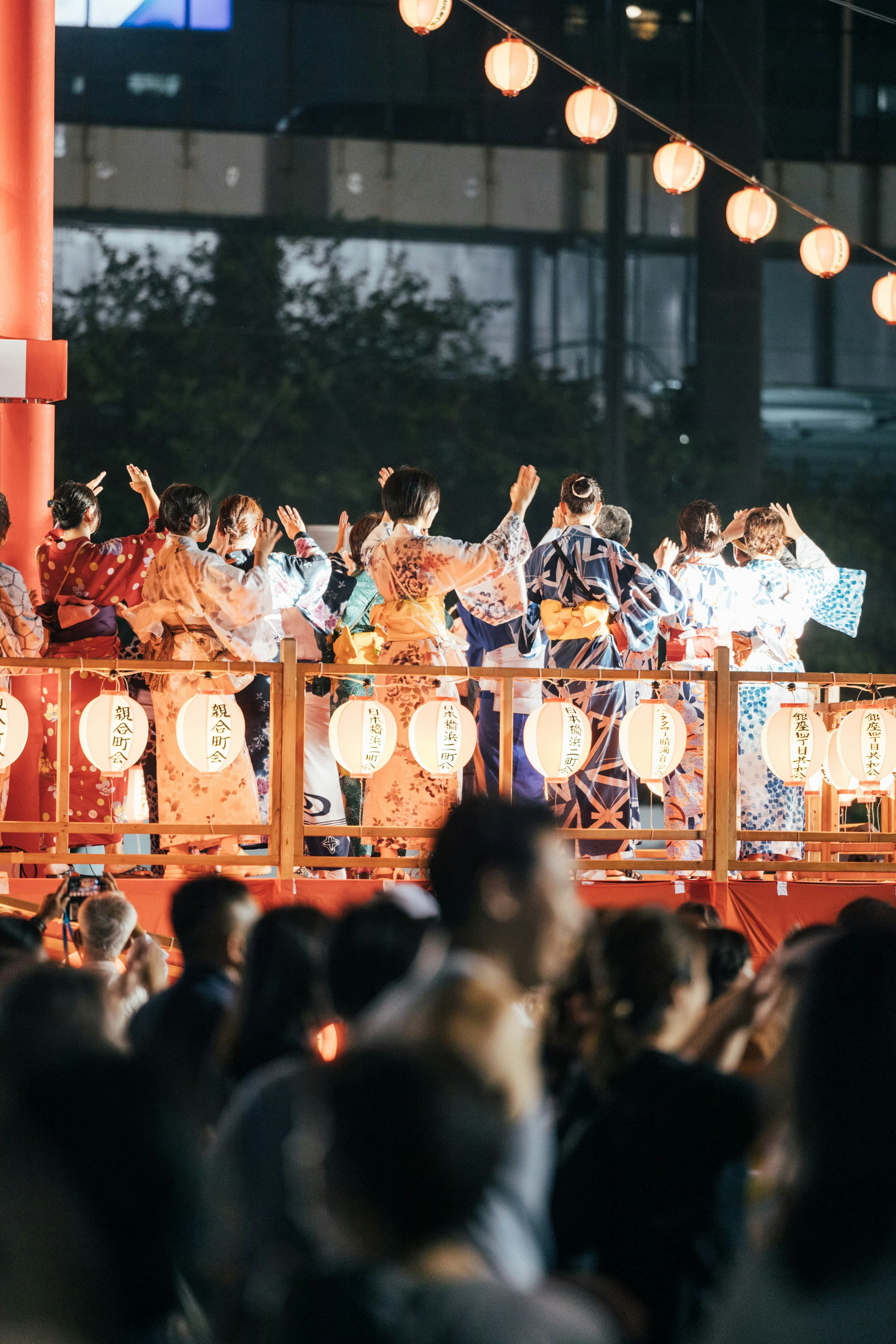
Japan follows a beautiful rhythm of seasonal events that reflects centuries of tradition, culture, and deep connection with nature. For foreign residents, participating in these events is one of the most enriching aspects of life in Japan. Here is your month-by-month guide to the most important seasonal events throughout the year.
Spring (March – May): Cherry Blossoms and New Beginnings
March: Hina Matsuri and Early Blossoms
March 3rd marks Hina Matsuri (Doll Festival / Girl's Day), a traditional holiday celebrating young girls with special dolls and peach blossoms. You'll see elaborate doll displays in homes and department stores.
April: Hanami (Cherry Blossom Viewing)
Hanami is perhaps Japan's most beloved tradition. When sakura (cherry trees) bloom — typically late March to mid-April — parks fill with people enjoying picnics under the blossoms. Popular spots include Ueno Park in Tokyo, Maruyama Park in Kyoto, and Shinjuku Gyoen. Check cherry blossom forecasts (sakura yoho) to plan your visit.
May: Golden Week and Children's Day
Golden Week (late April to early May) is Japan's biggest holiday period — a cluster of national holidays when many Japanese travel and businesses close. May 5th is Kodomo no Hi (Children's Day), celebrated with colorful koinobori (carp streamers) flying from homes and public spaces.
Summer (June – August): Festivals and Fireworks
June: Rainy Season (Tsuyu)
June brings the rainy season. While not a festival month, you'll see beautiful hydrangeas blooming at temples. Carry an umbrella and enjoy the lush green landscapes.
July: Tanabata and Summer Festivals
July 7th is Tanabata, the Star Festival. Streets and shopping centers are decorated with colorful bamboo strips and paper wishes. July also sees the start of summer matsuri (festivals) featuring traditional music, dance, food stalls, and fireworks.
August: Obon and Hanabi Taikai
Obon (mid-August) is a Buddhist tradition honoring ancestors. Many businesses close, families return to hometowns, and bon odori (traditional dances) take place in neighborhoods and parks. Hanabi taikai (fireworks festivals) are also held throughout July and August — these spectacular displays attract enormous crowds.
Autumn (September – November): Foliage and Harvest Festivals
September: Moon Viewing (Tsukimi)
Tsukimi is the traditional autumn moon-viewing celebration on the 15th day of the eighth lunar month. Families gather to admire the full moon and eat tsukimi dango (rice dumplings). Many restaurants create special seasonal menus.
October: Autumn Festivals
October features many local autumn matsuri celebrating the harvest. Shrines and temples hold special ceremonies, and you'll see portable shrines (mikoshi) carried through neighborhoods. Autumn also brings fantastic food — look for sweet potatoes, mushrooms, and chestnuts in season.
November: Koyo (Autumn Foliage)
Koyo (fall foliage viewing) is Japan's equivalent of spring hanami. From mid-November, maple and ginkgo trees turn brilliant reds, oranges, and yellows. Top spots include Nikko, Kyoto's Arashiyama, and Tokyo's Shinjuku Gyoen. Like sakura, foliage forecasts help you plan the perfect timing.
Winter (December – February): Illuminations and New Year
December: Christmas Illuminations and Year-End
While Japan is not predominantly Christian, Christmas-style illuminations and decorations transform cities into magical displays throughout December. Department stores and shopping streets host elaborate light shows. Year-end (bonenkai) parties are common in workplaces.
January: New Year (Oshogatsu)
Oshogatsu is Japan's most important holiday. January 1–3 are public holidays when most businesses close. Key traditions include hatsumode (first shrine or temple visit of the year), eating osechi ryori (traditional New Year foods), and receiving otoshidama (New Year money gifts for children). Streets are quieter than usual as many people travel to their hometowns.
February: Setsubun and Snow Festivals
February 3rd is Setsubun, where people throw soybeans to ward off evil spirits and welcome good fortune. You can join bean-throwing ceremonies at local shrines and temples. February also features the famous Sapporo Snow Festival in Hokkaido, where massive snow sculptures attract visitors from around the world.
Tips for Enjoying Seasonal Events
- Book accommodation early: Popular periods like Golden Week, Obon, and New Year see massive travel and hotels fill up fast.
- Download event apps: Apps like Japan Official Travel App and local tourism websites provide up-to-date event information.
- Dress appropriately: Outdoor events can be cold (winter festivals) or hot and humid (summer matsuri). Layer clothing and stay hydrated.
- Learn key phrases: Even basic Japanese phrases will help you enjoy events more and connect with local people.
- Join local community groups: Many cities have international resident groups that organize outings to seasonal events together.
Japan's seasonal cycle offers something extraordinary every month. As a foreign resident, embracing these traditions is the best way to feel truly at home in Japan.