Area guides
Seasonal Events and Festivals in Japan: A Year-Round Guide for Foreign Residents
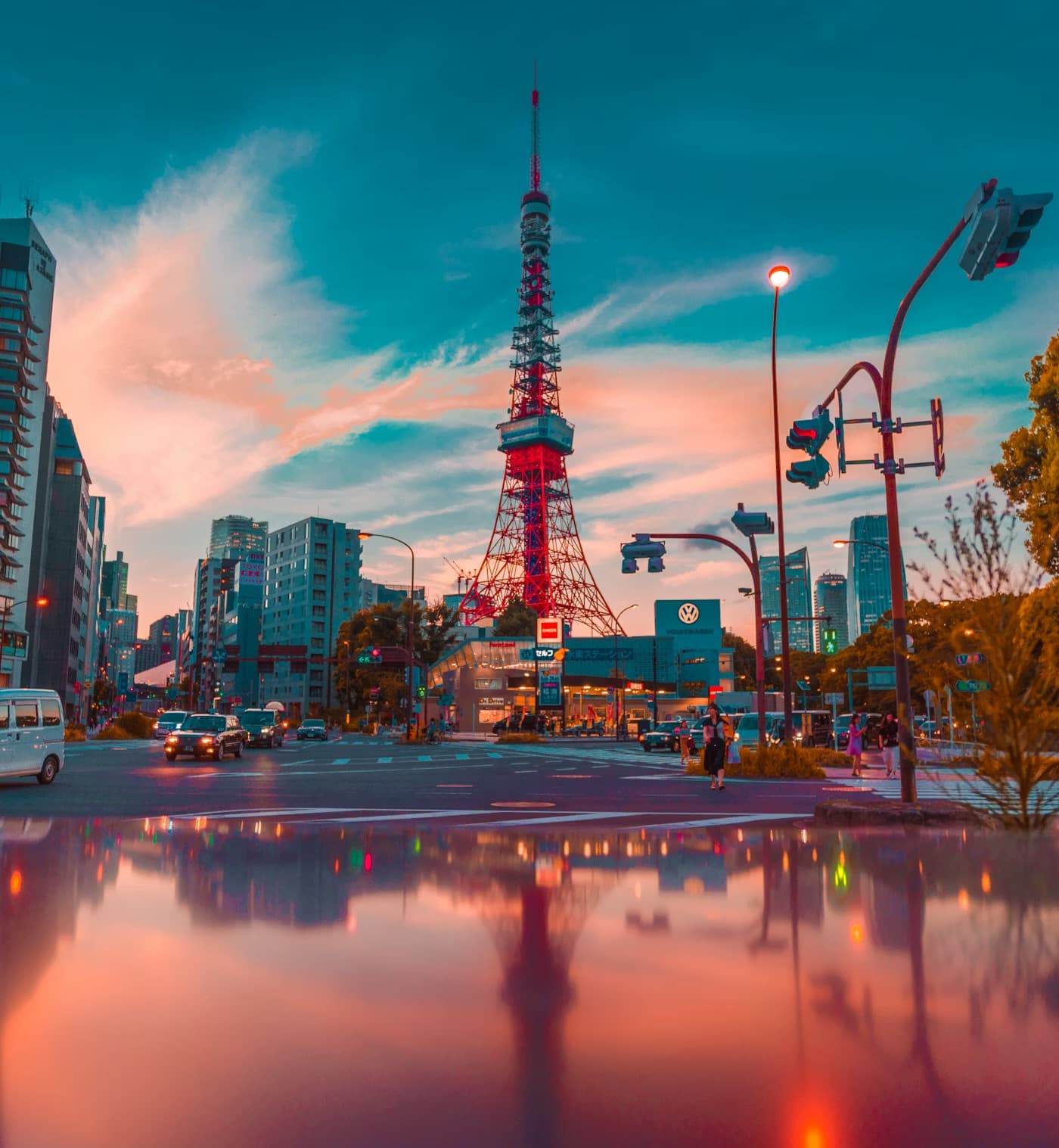
One of the greatest joys of living in Japan is experiencing its deeply seasonal culture. The country marks the passage of every season with distinctive festivals, foods, decorations, and traditions that connect daily life to nature and history. As a foreign resident, participating in these events is one of the best ways to feel truly at home in Japan.
Spring (March – May)
Cherry Blossom Season (Hanami / 花見)
March–April is arguably Japan's most beloved season. Cherry blossoms (sakura) bloom for just 1–2 weeks, and the entire country celebrates with hanami — outdoor picnic parties under the blossoms. Find your nearest park, bring food and drinks (alcohol is allowed in most parks), lay down a picnic sheet, and enjoy the fleeting beauty of spring.
Golden Week (Late April – Early May)
Japan's longest national holiday cluster — roughly April 29 to May 5 — combines four national holidays. Popular destinations become very crowded, transportation books up weeks in advance, and many businesses reduce hours or close. Plan ahead if you travel, or enjoy your local area while crowds head elsewhere.
Setsubun (February 3)
The traditional start of spring. Families throw roasted soybeans while shouting "Oni wa soto, fuku wa uchi!" (Demons out, good luck in!). Many shrines and temples hold public events where celebrities and sumo wrestlers throw beans to crowds.
Summer (June – August)
Rainy Season (Tsuyu / 梅雨) — June–July
Most of Japan experiences a rainy season lasting 4–6 weeks. Invest in a quality umbrella (konbini sell them cheaply) and embrace the lush greenery this season brings. Hydrangeas (ajisai) bloom beautifully during this time.
Summer Festivals (Matsuri / 祭り)
Summer is festival season. Local matsuri feature portable shrine processions (mikoshi), traditional music, dancing, food stalls, and fireworks. Wearing a yukata (summer kimono) to matsuri is popular and welcomed. Look for local events on your city's official website or apps like "Japan's Festivals."
Tanabata (July 7)
The Star Festival — a romantic event where people write wishes on strips of colored paper (tanzaku) and hang them on bamboo. Many cities hold large Tanabata festivals with elaborate decorations.
Obon (Mid-August)
A Buddhist festival honoring ancestors. Many people return to their hometowns. Bon Odori (traditional folk dances) take place at local shrines and parks — newcomers are warmly welcomed to join the dancing circle.
Autumn (September – November)
Autumn Foliage (Koyo / 紅葉)
Just as spring has sakura, autumn has koyo — the breathtaking turning of maple and ginkgo leaves into brilliant reds, oranges, and yellows. Peak timing varies by region but generally runs October–December. Temples and mountain parks are stunning during this season.
Sports Day / Health and Sports Day (October)
A national holiday encouraging outdoor activity. Many neighborhoods and schools hold undokai (sports festivals) — a fun way to connect with your local community.
Halloween
While not a traditional Japanese holiday, Halloween has become enormously popular in Japan, especially in cities like Tokyo (Shibuya) and Osaka. Elaborate costumes and themed events fill the streets and venues through October.
Winter (December – February)
Christmas in Japan
Christmas in Japan is celebrated more as a romantic event than a religious one. KFC chicken on Christmas Eve is a beloved tradition (book in advance — it sells out!). Illuminations and decorations in shopping areas are spectacular.
New Year (Oshougatsu / お正月)
The most important holiday of the Japanese calendar. December 31 through January 3 is the holiday period. Traditions include:
- Hatsumode (初詣): First shrine or temple visit of the New Year
- Osechi ryori (おせち料理): Traditional New Year food served in lacquered boxes
- Otoshidama (お年玉): New Year money gifts given to children
- Joya no Kane: 108 bell tolls at midnight on New Year's Eve at Buddhist temples
Most shops and restaurants close on January 1 — stock up on food beforehand. Experiencing Japanese New Year is deeply moving and a highlight of life in Japan.
Seijin no Hi / Coming of Age Day (Second Monday of January)
A national holiday celebrating young people turning 20 (now 18 under new law). Young adults dress in beautiful furisode kimono and hakama and visit shrines. A wonderful day to witness traditional Japanese dress.
Japan's seasonal rhythm is one of its greatest gifts. Lean into it fully — every season brings something new to look forward to.