Area guides
Renting an Apartment in Japan: A Step-by-Step Guide for Foreign Residents
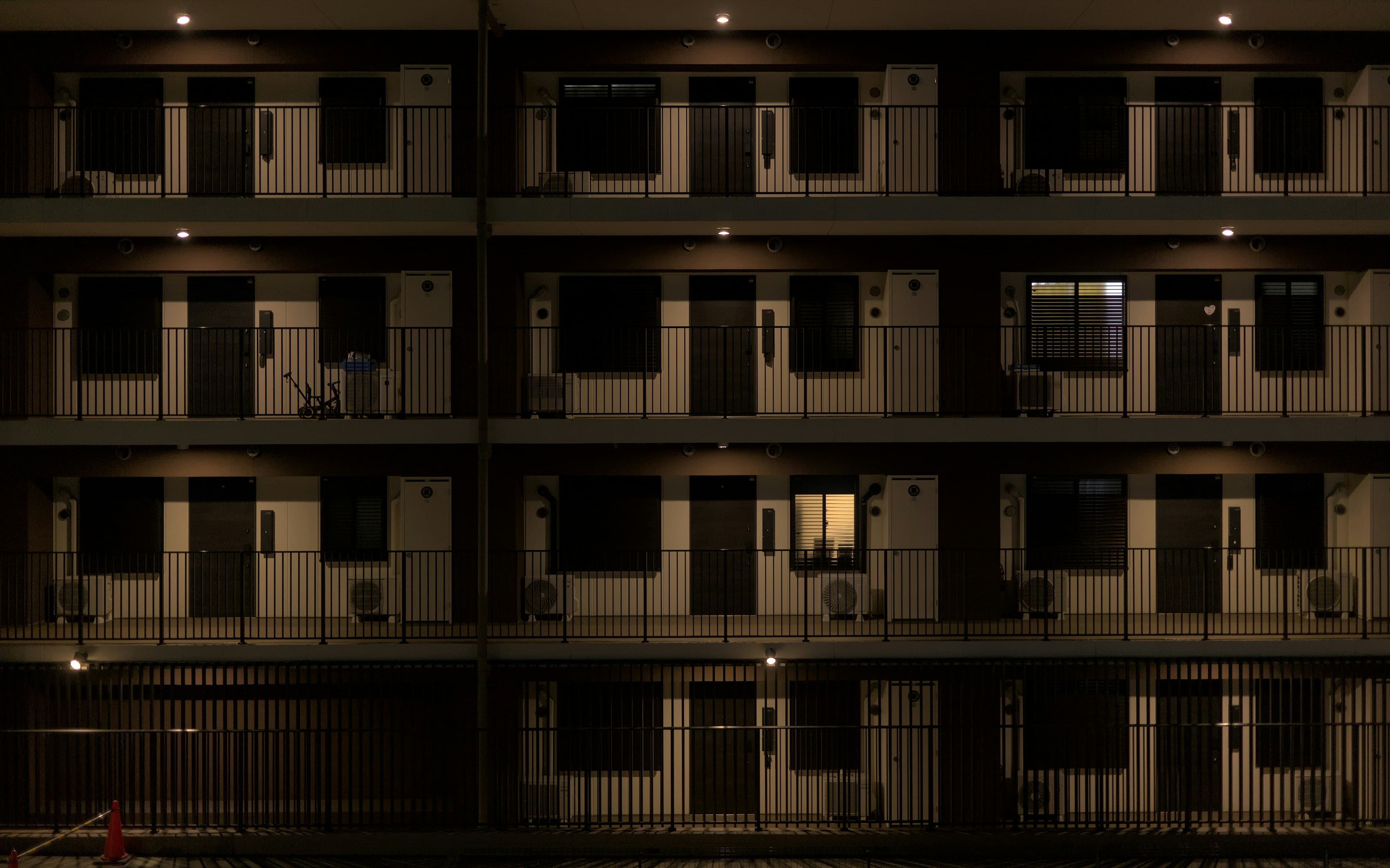
Finding and renting an apartment in Japan can be a daunting process for foreign residents — but with the right knowledge, it becomes manageable and even exciting. This step-by-step guide walks you through everything from the initial search to moving in.
Step 1: Understand the Costs Before You Search
Renting in Japan involves significant upfront costs beyond the monthly rent. Be prepared for:
- Shikikin (敷金): Security deposit, typically 1–2 months' rent. Returned at move-out minus any damages or cleaning fees.
- Reikin (礼金): "Key money" — a non-refundable gift to the landlord, usually 1–2 months' rent. Less common now than in the past but still exists.
- Agency fee (仲介手数料): Real estate agent commission, usually 1 month's rent.
- First month's rent: Often prorated if you don't move in on the 1st.
- Insurance (火災保険): Mandatory fire/liability insurance, typically ¥15,000–¥20,000 per year.
- Lock replacement fee: Some landlords charge for lock changes, typically ¥15,000–¥30,000.
- Guarantor service fee (保証会社): If using a guarantor company instead of a personal guarantor, expect 0.5–1 month's rent upfront plus annual renewal fees.
Total move-in cost: Typically 4–6 months' rent. Budget accordingly before starting your search.
Step 2: Find Your Apartment
Online Platforms
- Suumo (suumo.jp): Japan's largest real estate portal. Japanese interface but highly comprehensive.
- Homes.co.jp: Another major platform with wide listings.
- CHINTAI: Popular for younger renters, with English-language support.
- GaijinPot Apartments / Sakura House: Platforms specifically targeting foreigners — many listings require no guarantor and accept shorter leases.
- UR Jutaku (Urban Renaissance Agency): Government-managed affordable housing. No reikin, no guarantor required, no agency fee — excellent for newly arrived foreigners.
Working with a Real Estate Agent
Most rentals go through agents (fudosan-ya). Visit the office with your requirements and they'll show you available units. Agents speak Japanese — bring a Japanese-speaking friend or use translation apps if needed.
Step 3: Understand What to Look For
Key apartment terms in Japanese listings:
- 1K / 1DK / 1LDK: Room configuration (K=kitchen, D=dining, L=living)
- Mansion (マンション): Concrete apartment building — generally better soundproofing
- Apato (アパート): Wooden or light steel building — usually cheaper
- Chikaku (築年数): Age of the building
- Hoken (礼金なし): No key money — look for this to save money
Step 4: The Tenant Screening Process
Once you find a unit, the landlord (or management company) runs a screening (shinsa). As a foreigner, this can be more challenging. What they check:
- Income stability (typically need to earn 3x the monthly rent)
- Employment status and company
- Residency card validity
- Guarantor (hoshounin) — either a personal guarantor or guarantor company
Tips for Passing Screening as a Foreigner
- Have a stable, full-time job at a Japanese company or reputable international firm
- Prepare a letter of employment (zaiseki shomeisho) from your employer
- Use a guarantor company (hoshougaisha) — most real estate agents can arrange this
- Consider foreigner-friendly agencies and properties — many now explicitly welcome international tenants
- Shin Housing specializes in supporting foreign residents through this process — English-speaking staff can guide you from search to contract signing
Step 5: Sign the Contract (Chinshaku Keiyaku)
Japanese rental contracts are typically for 2 years with automatic renewal. Key points:
- Read the contract carefully — ask for an English summary if available
- Note the notice period required for move-out (usually 1–2 months)
- Check the conditions for security deposit return
- Understand what modifications are prohibited (e.g., no nails in walls in some properties)
Step 6: Set Up Utilities
After moving in, set up:
- Electricity: Contact the regional provider (TEPCO in Tokyo, Kansai Electric in Osaka, etc.) or switch to a competitive supplier
- Gas: A gas company representative must come to your home to activate the gas safely — arrange this in advance
- Water: Usually handled by the building management or local municipality
- Internet: Providers like NTT, SoftBank Hikari, and NURO Hikari offer high-speed fiber — installation can take 1–4 weeks
Moving Out: What to Know
- Give required notice (1–2 months) in writing
- Restore the apartment to its original condition (genjo kaifuku) — normal wear is typically covered by the landlord, but damage and excessive dirt are charged to the tenant
- Attend the move-out inspection with the landlord or management company
Tips for Foreign Residents
- Start your search 1–2 months before your desired move-in date
- Have all documents ready: residence card, My Number, recent pay stubs, employment certificate
- Consider monthly (weekly) mansions for short-term stays while you search for a long-term apartment
- Shin Housing's staff can help foreign residents navigate the entire rental process in English, from search to contract and beyond