Area guides
Managing Your Finances in Japan: Bank Accounts, Taxes, and Money Tips for Foreign Residents
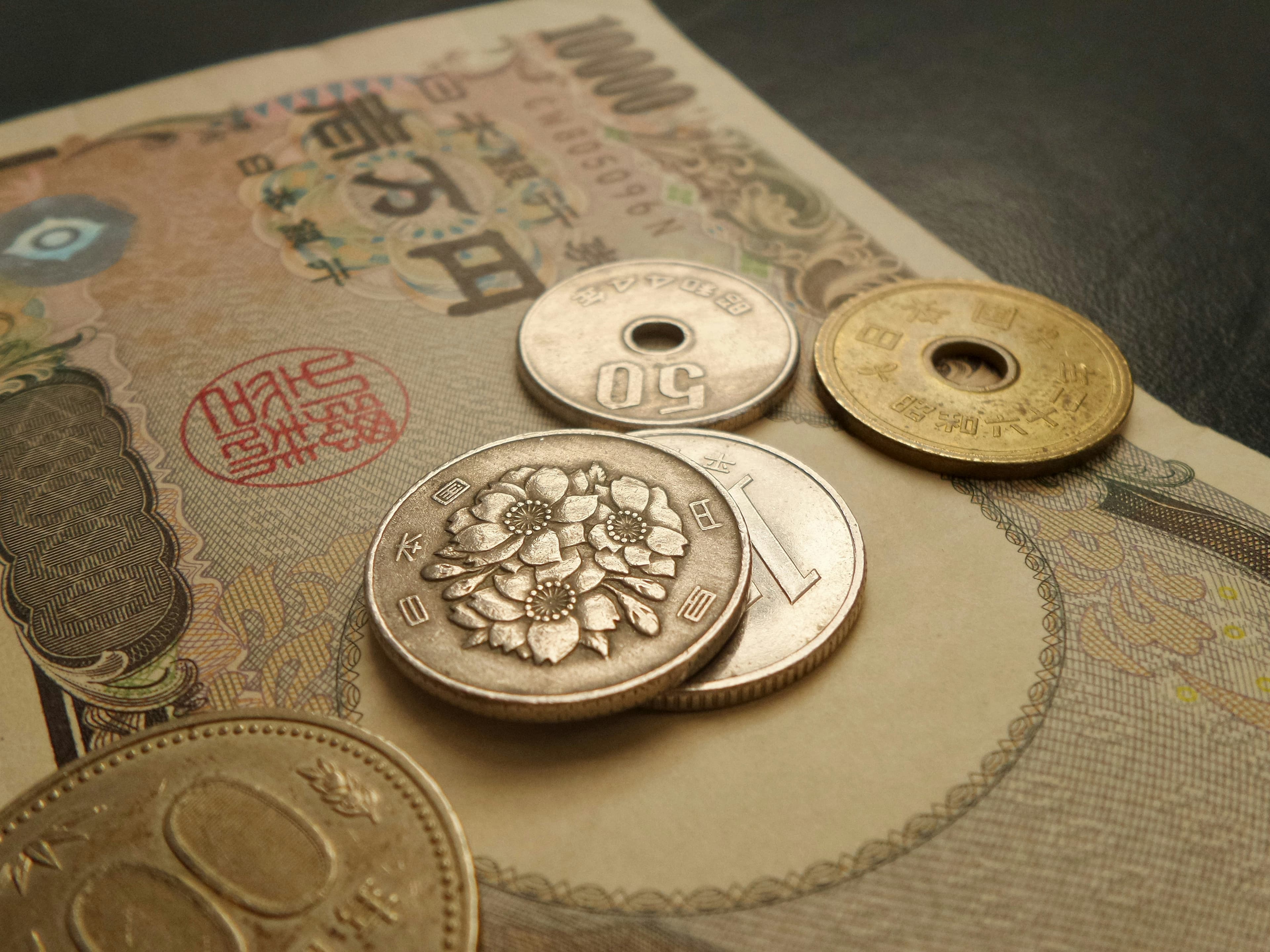
Managing your finances as a foreign resident in Japan requires understanding a system that can differ significantly from what you're used to back home. From opening a bank account to paying taxes and sending money abroad, this guide walks you through everything you need to know.
Opening a Bank Account
A Japanese bank account is essential for receiving your salary, paying rent, and setting up utility bill payments. Here's what you need to know:
Required Documents
- Residence card (Zairyu card)
- Passport
- My Number card (or My Number notification slip)
- Phone number (Japanese number preferred by most banks)
- Initial deposit (typically ¥1,000 or more)
Which Bank to Choose
- Japan Post Bank (Yucho): Easiest for foreigners to open, accepts shorter residency periods, has post office branches nationwide
- Seven Bank: Available at 7-Eleven ATMs, English-friendly interface
- SMBC (Sumitomo Mitsui): Major bank with international transfer services
- Rakuten Bank / PayPay Bank: Online banks with English support and modern apps — great for tech-savvy residents
- Sony Bank: Popular among foreign residents for its foreign exchange rates
Most major banks now require at least 6 months of residency before opening an account, though Japan Post Bank and some online banks are more flexible.
Setting Up Automatic Payments (Furikomi and Koza Furikae)
In Japan, most recurring bills — utilities, rent, insurance, and mobile phone charges — are paid by automatic bank transfer (koza furikae). At your bank, you'll fill out a form authorizing each company to debit your account monthly. This is the standard and most convenient payment method.
ATMs in Japan
Japanese ATMs have specific hours for international card transactions. Key tips:
- Japan Post Bank and 7-Bank ATMs accept most international cards 24/7
- Convenience store ATMs (7-Eleven, FamilyMart, Lawson) are the most accessible
- Some ATMs charge a service fee for international cards, especially during late-night hours
- Withdraw larger amounts at once to minimize fees
Understanding Japan's Tax System
As a foreign resident in Japan, you are subject to Japanese taxes depending on your residency status and income source.
Types of Taxes
- Income Tax (Shotoku-zei): National income tax deducted from your salary by your employer (withholding tax). Rates range from 5% to 45% depending on income level.
- Residence Tax (Jumin-zei): Local tax paid to your city/prefecture. Approximately 10% of the previous year's income. Note: This is billed the year AFTER you earn income, which surprises many new residents.
- Consumption Tax (Shohi-zei): Japan's equivalent of VAT, currently 10% (8% on food and beverages). Included in all prices displayed in shops.
My Number System
My Number (individual identification number) is Japan's social security and tax identification system. You'll receive a 12-digit number upon registering your address. It's required for:
- Opening bank accounts
- Filing tax returns
- Social insurance procedures
- Employment paperwork
Annual Tax Return (Kakutei Shinkoku)
If you are a company employee, your employer handles most of your tax filing through the year-end adjustment (nenmatsu chosei). However, you may need to file your own return if:
- You have income from multiple employers
- Your annual income exceeds ¥20 million
- You have side income over ¥200,000
- You want to claim deductions (medical expenses, housing loan deductions, etc.)
Tax returns are filed at your local tax office (zeimusho) or online via the e-Tax system, typically between February 16 and March 15 each year.
Sending Money Abroad
Foreign residents often need to send money home. Options include:
- Wise (formerly TransferWise): Low fees, great exchange rates
- Revolut: App-based, instant transfers
- Japan Post (Kokusai Furikomi): Available at post offices, reliable but slightly higher fees
- Bank international transfers: Available at major banks but typically higher fees and slower
Money-Saving Tips for Foreign Residents
- Use point card systems: Japanese retailers have extensive loyalty point programs (Rakuten Points, T-Points, Ponta Points, d-Points). These accumulate quickly and can save significant money on groceries and daily shopping.
- Open a NISA account: Japan's tax-free investment account (similar to ISA in the UK or Roth IRA in the US) allows foreign residents to invest up to ¥1.2 million per year in stocks and funds with no tax on profits.
- Compare insurance options: Health insurance is mandatory, but compare supplemental insurance plans to find the best coverage at the right price.
- Track utility usage: Use the eco-mode on air conditioners and be mindful of electricity in summer and winter when utility bills spike.
- Budget using apps: Apps like Moneytree and MoneyForward (both available in English) link to your Japanese bank accounts and automatically categorize spending.
Understanding Japan's financial system takes time, but once set up properly, you'll find managing money in Japan to be efficient and reliable.