Area guides
Living in Kamata & Omori, Tokyo: An Honest Guide for Foreign Residents
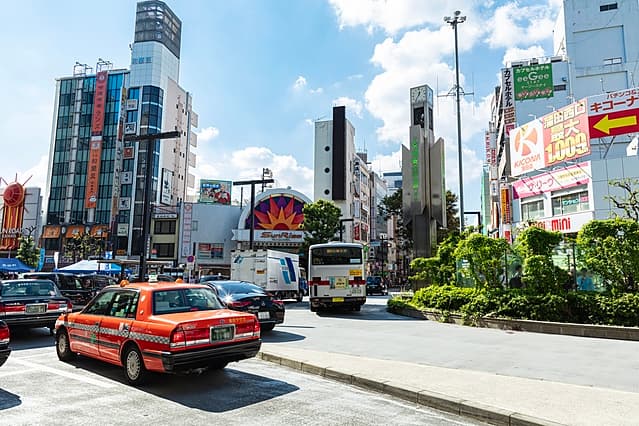
When people talk about Tokyo's most liveable areas, Kamata and Omori don't always make the headlines — but ask anyone who actually lives there, and you'll hear a different story. Located in Ota-ku in southern Tokyo, these two neighbourhoods offer something increasingly rare in the capital: genuine affordability combined with excellent transport, a buzzing local dining scene, and a real sense of community.
Where Are Kamata and Omori?
Both Kamata and Omori are located in Ota-ku (Ota Ward), in the southern part of Tokyo. Ota-ku is one of Tokyo's largest wards and is home to Haneda Airport — making it one of the best-connected parts of the city for frequent travellers.
Key transport links:
- Kamata Station (JR Keihin-Tohoku Line, Tokyu Ikegami/Tamagawa Lines): Direct to Shinagawa in 8 min, Shibuya in 20 min, Yokohama in 18 min
- Omori Station (JR Keihin-Tohoku Line): Direct to Shinagawa in 6 min, Tokyo Station in 20 min
- Haneda Airport: 15 minutes from Kamata by train
For professionals working in Shinagawa, the Bay Area, or Yokohama, Ota-ku is exceptionally convenient.
The Kamata Neighbourhood
Kamata has a reputation as a down-to-earth, working-class Tokyo neighbourhood — and that's precisely its charm. The area around Kamata Station is packed with izakayas, ramen shops, yakitori stalls, and local supermarkets. It's the kind of place where neighbours know each other and where you can eat extremely well without spending much.
In recent years, Kamata has quietly become a favourite among young professionals and foreign residents who've figured out that they can live 8 minutes from Shinagawa at a fraction of the cost.
What to expect in Kamata:
- Lively covered shopping arcades (shotengai) near the station
- A dense concentration of casual dining and drinking spots
- Strong access to the Tokyu Lines for reaching Shibuya and Jiyugaoka
- Proximity to Omori Kaigan Station for Keikyu Line users
The Omori Neighbourhood
Omori has a slightly more residential, settled feel compared to Kamata. The area around Omori Station blends local family life with the occasional expat professional who appreciates the quick commute to central Tokyo.
Omori-Kaigan — the station one stop from Omori on the Keikyu Line — gives access to the coastal parts of Ota-ku, with views towards Tokyo Bay and an increasingly popular dining and café scene.
What to expect in Omori:
- A mix of quiet residential streets and lively shotengai shopping areas
- Supermarkets, local cafés, and everyday amenities in abundance
- Fast JR Keihin-Tohoku access to both Tokyo and Yokohama
- A calmer, more suburban atmosphere than central Tokyo wards
Cost of Living & Rent in Ota-ku
Ota-ku consistently ranks among the better-value wards for renters in Tokyo's 23-ward area. Kamata and Omori in particular offer competitive rents relative to their transport links.
Typical monthly rent:
- 1K / 1R studio: ¥60,000–¥100,000
- 1LDK: ¥110,000–¥180,000
- 2LDK: ¥160,000–¥250,000
For context, equivalent apartments in Minato or Shibuya would typically cost 30–50% more for the same floor area.
Parks, Waterfront & Green Spaces
Ota-ku has more park space than most central Tokyo wards, including:
- Ota-ku General Gymnasium Park — large, well-maintained community park
- Omori Seaside Park — a waterfront park with views of Tokyo Bay
- Noge Yamashita Park — smaller but popular local green space
The proximity to Tokyo Bay gives parts of Ota-ku a distinctly different feel from landlocked central Tokyo wards.
Daily Life in Ota-ku
Groceries: Well-served by Ito-Yokado, Maruetsu, OK Store (well-known for low prices), and multiple local supermarkets.
Dining: Kamata's eating scene is genuinely excellent — an unsung rival to better-known Tokyo food destinations. The izakaya culture is especially strong.
Shopping: Large shopping centres including Daiei and Kamata's covered shotengai arcades.
Healthcare: Multiple hospitals and clinics throughout the ward, including Toho University Omori Medical Centre.
Who Is Ota-ku Best For?
Kamata and Omori are an excellent fit for:
- Budget-conscious professionals working in Shinagawa, the Bay Area, or Yokohama
- Frequent flyers who appreciate the 15-minute link to Haneda Airport
- Families seeking space, parks, and a genuine neighbourhood community
- Foreign residents who want affordable rents without sacrificing city access
It's less suited for those who want to be in the thick of Tokyo's trendiest dining and nightlife — for that, Shibuya or Shimokitazawa are closer fits.
Find Your Apartment in Ota-ku
Shin Housing offers a selection of well-priced apartments in Ota-ku, including units in the popular Genovia Kamata III Sky Garden development and the newly built Prime Garden Omori — modern high-rise apartments with excellent amenities and fast train links to central Tokyo.