Area guides
Japanese Healthcare System: How to See a Doctor, Get Insurance, and Access Medical Services as a Foreign Resident
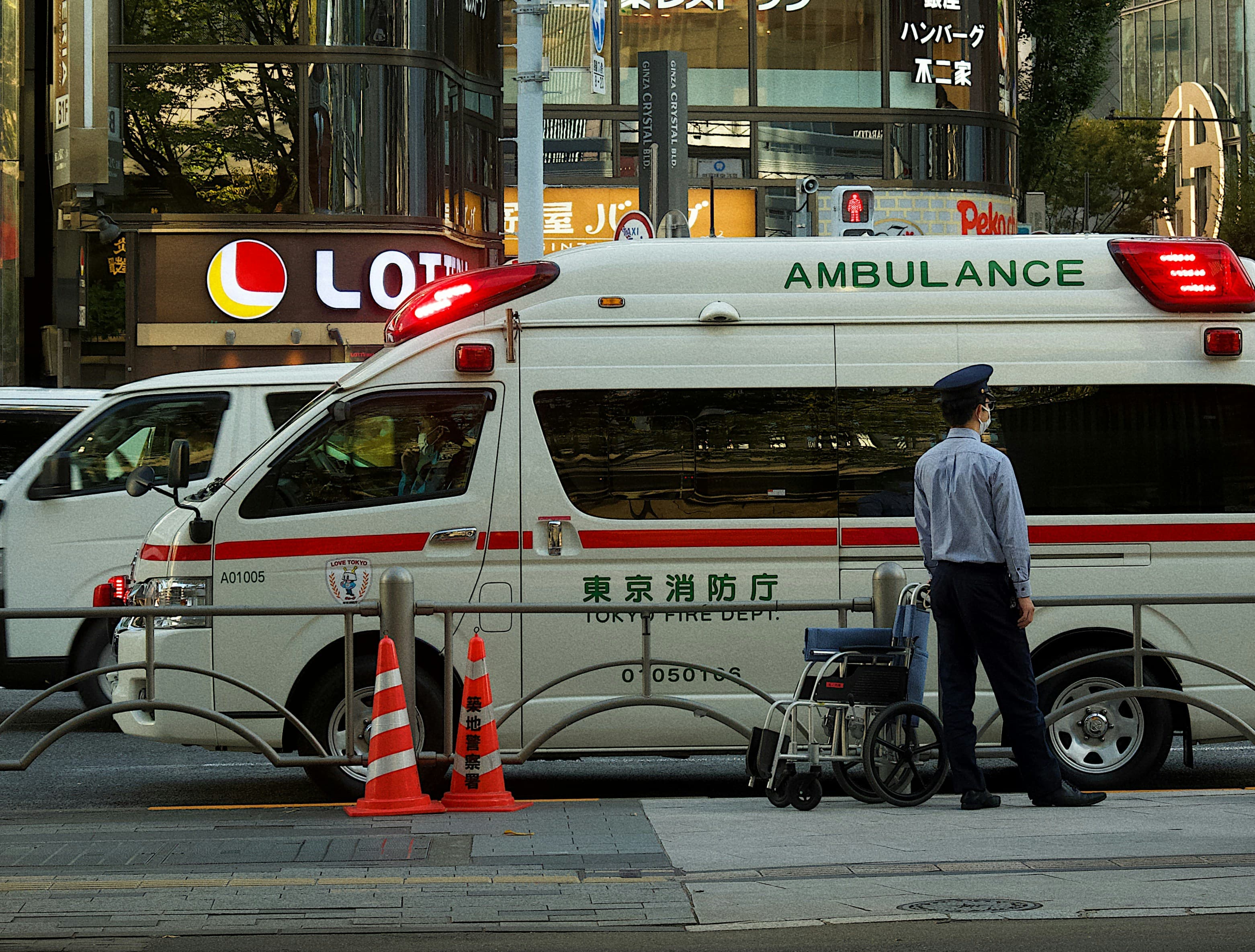
Japan's healthcare system is one of the best in the world — it offers universal coverage, high-quality care, and relatively low out-of-pocket costs. For foreign residents, understanding how to navigate it is essential from the moment you register your address.
National Health Insurance (Kokumin Kenko Hoken)
All foreign residents with a valid residence card are required by law to enroll in Japan's health insurance system. There are two main types:
1. Shakai Hoken (Employee Health Insurance)
If you work full-time at a company, you are typically enrolled in shakai hoken through your employer. Your premium is split between you and your employer (usually 50/50), and it's deducted directly from your salary. This insurance also covers dependents (spouses and children).
2. Kokumin Kenko Hoken (National Health Insurance / NHI)
If you are self-employed, a part-time worker, a student, or between jobs, you must enroll in NHI through your local city or ward office (shiyakusho/kuyakusho). Premiums are calculated based on your previous year's income and the number of people in your household. Lower-income residents may qualify for reduced premiums.
What Health Insurance Covers
Japan's health insurance typically covers 70% of medical costs — meaning you pay 30% out-of-pocket (10% for children under 6, 20% for seniors). This applies to:
- Doctor consultations
- Hospital stays
- Surgeries and procedures
- Prescription medications
- Dental and eye care (some services not covered)
Enrolling in Health Insurance
Bring your residence card and My Number to your city/ward office. Enrollment should happen within 14 days of registering your address. Late enrollment may result in back payment of premiums from your arrival date.
How to See a Doctor
Types of Medical Facilities
- Clinic (Kuriinikku / Shinryojo): Small local practices for general consultations, colds, minor illnesses. No appointment usually required — walk-ins are common.
- Hospital (Byoin): For specialists, surgeries, and complex conditions. Large hospitals often require a referral letter (shokai-jo) from a clinic.
- University Hospitals: Top-tier care for complex cases, but long waiting times.
What to Bring to a Clinic or Hospital
- Health insurance card (hoken-sho) — always carry this
- My Number card or residence card
- Any existing prescription medications
- Medical history notes in Japanese (if possible)
- Cash — many smaller clinics do not accept credit cards
Finding English-Speaking Doctors
Finding a doctor who speaks English can be challenging outside major cities. Resources include:
- AMDA International Medical Information Center: Hotline providing multilingual medical support (03-5285-8088)
- Tokyo Metropolitan Health and Medical Information Center: English support line (03-5285-8181)
- Japan Hospital Association website: Search for international patient departments
- Apps like EPARK or QQ English Clinic list English-friendly clinics
- Your local ward office may have a list of foreign-language-friendly medical facilities
Getting a Prescription (Shohosen)
After a consultation, you'll receive a prescription (shohosen). Take it to a pharmacy (yakkyoku) — usually located near the clinic. The pharmacist will explain dosage instructions; ask for English instructions if available. Keep all prescription records for future reference.
Medical Emergencies
- Emergency number: 119 (ambulance and fire), 110 (police)
- Emergency rooms (kyukyu) are available 24/7 at major hospitals
- If you call 119, operators speak Japanese — download the "Safety tips" app which has an emergency translation feature
- #7119: Non-emergency medical consultation hotline available in many prefectures
Mental Health Services
Mental health resources for foreigners are growing. The TELL Lifeline (03-5774-0992) provides English-language counseling and crisis support in Japan. Many international clinics also offer mental health consultations.
Dental and Eye Care
- Dental (shika) and optical (ganka) care are partially covered by insurance for medical conditions but cosmetic procedures are not
- Routine dental checkups are strongly encouraged — many employers offer dental health programs
- Eyeglass prescriptions can be obtained from an ophthalmologist (ganka) or optometrist (megane-ya)
Tips for Foreign Residents
- Always carry your health insurance card — you may be billed full price without it
- Register with a nearby clinic (kakari-tsuke-i) as your regular doctor — this builds a medical history and speeds up future visits
- Download the "NOAH" app for multilingual medical support
- Keep a copy of your insurance number and clinic phone numbers on your phone
Japan's healthcare system, once understood, provides excellent care at accessible costs. Taking time to set up your insurance and find a local doctor early will give you peace of mind throughout your stay.