Area guides
Japanese Etiquette and Customs: Essential Guide for Foreign Residents in Japan
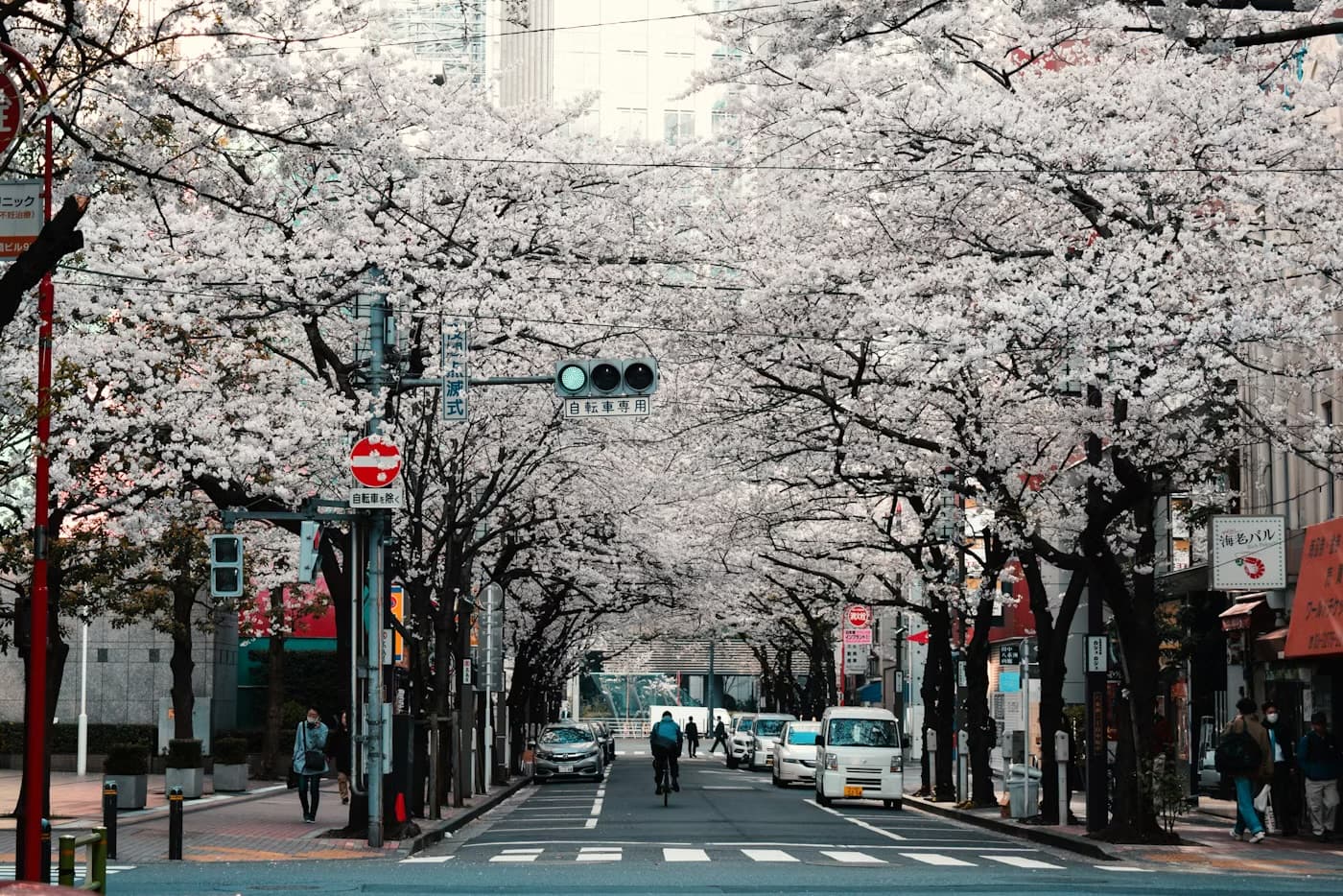
Japan has a rich cultural tradition with many unspoken rules and social customs that foreigners often find fascinating — and sometimes confusing. Learning these etiquette basics will help you build respect, avoid misunderstandings, and integrate more smoothly into Japanese society.
Bowing (お辞儀 / Ojigi)
Bowing is the cornerstone of Japanese greeting culture. Unlike handshakes in Western cultures, the bow communicates everything from a casual hello to deep respect and gratitude.
Bow depth guide:
- 15-degree bow: Casual greeting between acquaintances
- 30-degree bow: Standard polite greeting in business or formal settings
- 45-degree bow: Deep respect or sincere apology
- 90-degree bow: Extremely formal or expressing profound gratitude
As a foreigner, you won't be expected to bow perfectly. A sincere 15–30 degree bow is always appreciated. When someone bows to you, bow back at a similar angle. Avoid bowing while shaking hands simultaneously — pick one.
Shoe Etiquette (靴のマナー)
Removing shoes when entering homes, traditional restaurants, ryokan (Japanese inns), and some offices is a deeply ingrained custom in Japan. This is non-negotiable in homes.
Key rules:
- Always remove shoes at the genkan (entrance area)
- Turn your shoes to face outward after removing them (a thoughtful touch)
- Wear clean socks without holes — you'll be in your socks inside
- Slip-on shoes are convenient for frequent removal
- Look for slippers provided — wear them inside but remove them when entering tatami (straw mat) rooms
Dining Etiquette
Japanese dining has its own set of beautiful customs:
Chopstick rules:
- Never stick chopsticks upright in rice — this resembles funeral offerings
- Don't pass food directly chopstick to chopstick — also a funeral reference
- Don't point with chopsticks
- Use the opposite end (or separate serving chopsticks) when taking food from shared dishes
At the table:
- Say "Itadakimasu" (いただきます) before eating — it expresses gratitude
- Say "Gochisosama deshita" (ごちそうさまでした) after finishing — thank the host
- Slurping noodles is acceptable and even complimentary
- Pouring drinks for others before yourself is considerate — let others pour for you too
- Tipping is NOT customary in Japan — it can even be considered rude
Onsen and Sento Etiquette
Public baths (onsen and sento) are central to Japanese culture. If you visit one, following the rules ensures a pleasant experience for everyone.
Essential rules:
- Wash and rinse your entire body thoroughly at the shower stations before entering the bath
- Do not bring a towel into the bathing area — keep it folded on your head or outside
- Tattoos are prohibited in most traditional onsen (some modern facilities are more accepting — always check)
- Keep your voice low and maintain a calm atmosphere
- Do not drain or splash the water
Gift-Giving Culture (贈り物)
Gift-giving is an important social ritual in Japan. When visiting someone's home, always bring a small gift (omiyage is the term for travel souvenirs, but any thoughtful gift works).
Gift etiquette:
- Wrap gifts nicely — presentation matters as much as the gift itself
- Gifts are often not opened immediately in front of the giver (to avoid showing disappointment or excessive excitement)
- Avoid gifts in sets of 4 (shi = death) or 9 (ku = suffering)
- Food and sweets are always safe and appreciated gift choices
Public Behavior
Japan has strong norms around quiet, respectful public behavior:
- Keep your phone on silent mode in public spaces — especially on trains
- Do not eat while walking (though eating at food stalls at festivals is fine)
- Queue patiently and in an orderly manner — cutting in line is highly frowned upon
- Speak quietly on public transport — phone calls on trains are considered impolite
- Trash cans are rare in public — carry a small bag for your rubbish
Apologies and Politeness
Japanese culture places great value on harmony and avoiding conflict. "Sumimasen" (すみません) is one of the most useful words — it means both "excuse me" and "I'm sorry" and goes a long way in daily interactions.
Showing respect and awareness of these customs — even imperfectly — is deeply appreciated by the Japanese people. No one expects perfection from a foreigner, but genuine effort is warmly received.