Area guides
Japanese Apartment Etiquette: Noise Rules, Garbage Sorting, and Getting Along with Neighbors
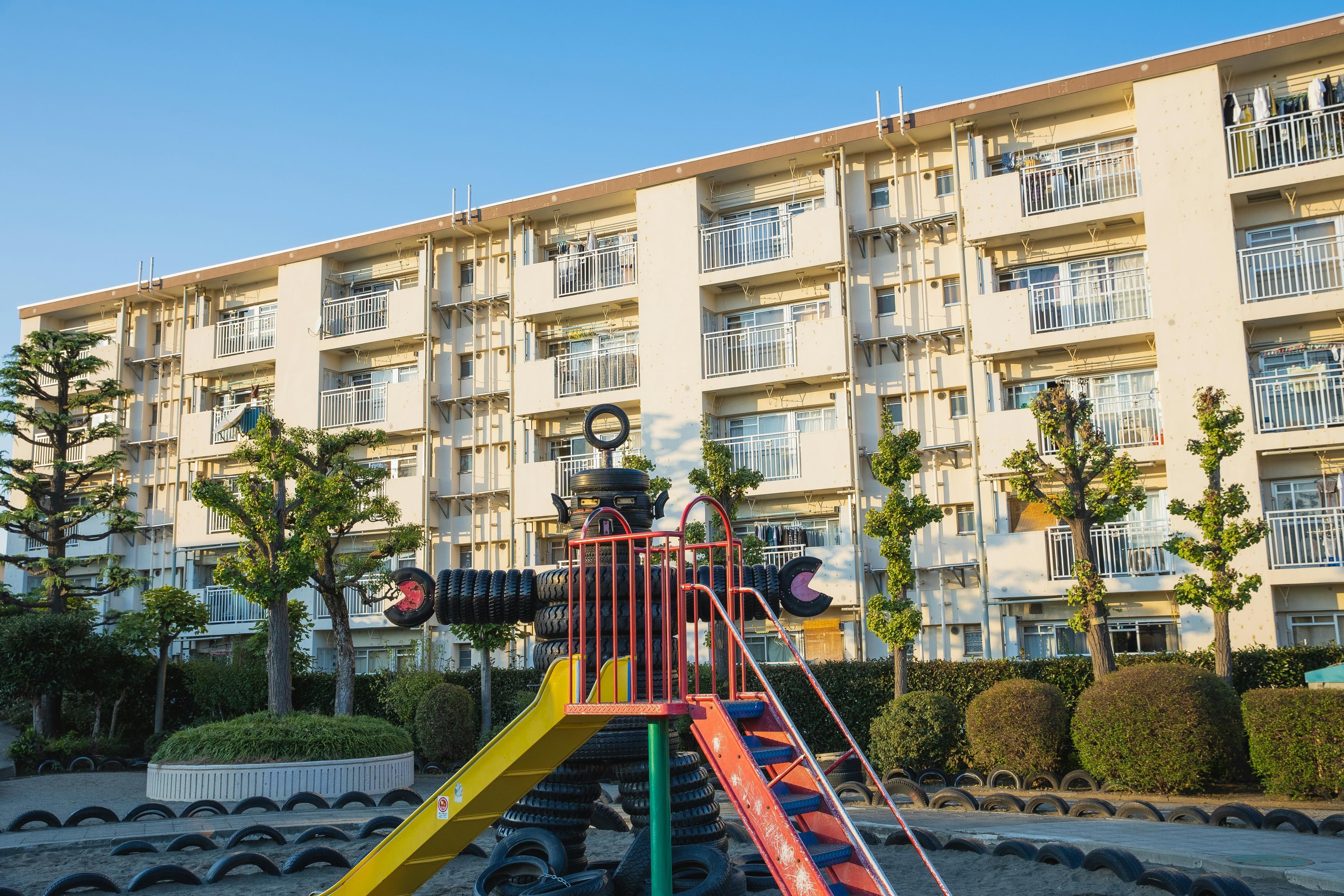
Living in a Japanese apartment is a rewarding experience, but it comes with social norms and practical rules that differ from many other countries.
Understanding and respecting these norms will help you build positive relationships with your neighbors and avoid conflicts with your landlord.
This guide covers the most important aspects of apartment etiquette in Japan.
Noise Etiquette
Japan places a very high value on quiet and consideration for neighbors.
The most common source of conflict in Japanese apartments is noise.
Most apartment buildings have quiet hours, typically from 10:00 PM to 8:00 AM.
Even during permitted hours, loud music, stomping, and running inside the apartment can disturb neighbors.
Common Noise Rules
Avoid loud music, parties, or gatherings inside your unit — Japanese walls and floors are often thin.
Walk gently — wearing indoor slippers (室内スリッパ) helps reduce impact noise to floors below.
Keep TV and speaker volume low, especially in the evenings.
If you have children, place rugs or floor mats to absorb sound.
Inform your neighbors in advance if you plan to have guests or host any activity.
Noise During Repairs
Carry out any DIY or repairs only during daylight hours on weekdays.
Hammer, drill, and power tool use is generally not permitted on Sundays or public holidays.
Always notify your building manager (管理人) and neighbors before beginning any noisy work.
Garbage Sorting and Collection
Japan has a strict garbage sorting system that all residents are expected to follow.
Improper garbage disposal is one of the most common complaints about foreign residents.
Each municipality has its own specific rules — pick up the sorting guide from your ward or city office.
Common Categories
Burnable garbage (燃えるゴミ): food waste, paper, small wood items.
Non-burnable garbage (燃えないゴミ): ceramics, small metal items, rubber.
Recyclables (資源ゴミ): bottles, cans, newspapers, cardboard.
Oversized items (粗大ゴミ): large furniture and appliances — require a separate scheduled pickup and fee.
Collection Schedule Rules
Each category is collected on specific days of the week.
Garbage must be placed at the designated collection point in the morning — not the night before in most areas.
Use the correct color-coded bags if your municipality requires them.
Never leave garbage bags at the collection point outside of designated days and times.
Laundry and Balcony Rules
Many Japanese apartment rules restrict when and where you can hang laundry.
Hanging laundry from balcony railings facing the street may be prohibited.
Avoid hanging laundry late at night or early in the morning to be considerate of neighbors.
Some buildings prohibit drying futons (布団) over balcony railings — check your lease agreement.
Neighbor Relations
Introducing Yourself (引越し挨拶)
In Japan, it is customary to introduce yourself to immediate neighbors when you first move in.
Bring a small gift — typically something consumable like sweets or soap — wrapped neatly.
Knock on the doors of neighbors above, below, and on both sides of your unit.
A brief, polite introduction goes a long way in establishing a friendly atmosphere.
Day-to-Day Courtesy
Greet your neighbors with a bow and a simple "Konnichiwa" when you pass each other.
Hold the elevator door for neighbors when appropriate.
Avoid monopolizing shared spaces like the coin laundry, bike parking, or mailbox area.
Keep shared hallways and entrances clear of personal items.
Common Area Rules
Remove your shoes in the building entrance (玄関) — this is a strict rule in most Japanese buildings.
Do not smoke in common areas or stairwells — use designated smoking areas if available.
Bicycles must be parked in the designated bicycle parking area (駐輪場).
Pets may be restricted — always confirm your lease terms before bringing an animal home.
Dealing with Complaints
If you receive a complaint from a neighbor or building manager, respond calmly and respectfully.
Acknowledge the concern, apologize sincerely (申し訳ありません), and take immediate corrective action.
If you are unsure about a complaint due to a language barrier, ask your real estate agent or a bilingual friend for help.
Japanese apartment conflict resolution strongly favors quiet, respectful communication over confrontation.
Conclusion
Being a considerate apartment resident in Japan is mostly about awareness and respect.
Follow the garbage schedule, keep noise levels low, greet your neighbors, and respect your building's rules.
Foreign residents who take the time to understand local apartment norms will enjoy a far more peaceful and positive living experience in Japan.