Area guides
Japanese Apartment Contracts: Key Terms, Deposits, and What Foreign Residents Must Know
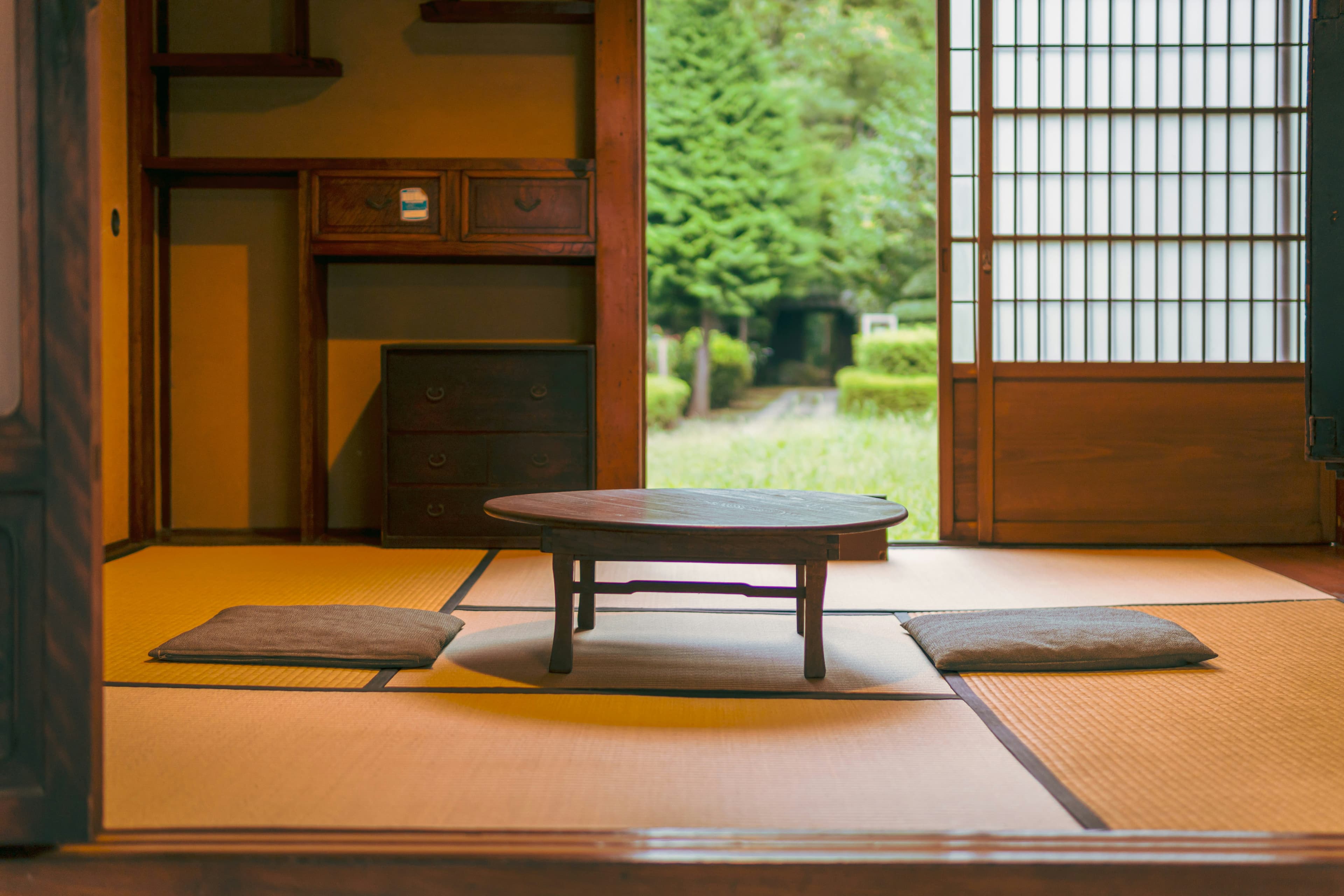
Renting an apartment in Japan is a significant milestone for foreign residents, but the rental contract system can be complex and unfamiliar.
Japanese lease agreements include several unique fees and terms that do not exist in most other countries.
Understanding what you are signing before you commit is essential to protecting both your finances and your rights as a tenant.
The Key Upfront Costs
When renting an apartment in Japan, expect to pay several costs upfront before you receive your keys:
Shikikin (敷金 — Security Deposit)
The shikikin is a refundable deposit held by the landlord to cover any damage beyond normal wear and tear.
Typically 1–2 months' rent.
Returned at the end of your tenancy minus any legitimate deduction for repairs you are responsible for.
Japanese law is clear: landlords can only deduct for damage caused by the tenant's negligence — not for normal aging of the property.
Reikin (礼金 — Key Money / Gratitude Money)
Reikin is a non-refundable payment made directly to the landlord as a "thank you" for renting you the property.
This has no equivalent in most Western countries.
Typically 1–2 months' rent, though many modern apartments no longer charge reikin.
This money is gone once paid — you will never get it back.
Agency Fee (仲介手数料, Chūkai Tesūryō)
Paid to the real estate agent (不動産屋, Fudōsan-ya) for finding you the property.
By law, this is capped at 1 month's rent (plus tax).
Some agents negotiate sharing this fee with the landlord, but you should confirm the amount upfront.
First Month's Rent (前家賃, Mae Yachin)
Rent for the first month is typically paid in advance.
If you move in mid-month, you may also pay a prorated amount for the partial first month.
Fire Insurance (火災保険, Kasai Hoken)
Renters in Japan are almost universally required to take out fire insurance.
Annual premiums are typically ¥10,000–¥20,000 per year.
Some landlords specify a particular insurer, but you are generally free to choose your own.
Lock Replacement Fee (鍵交換代, Kagi Kōkan Dai)
Many landlords charge a fee to replace the door locks between tenants for security reasons.
Typically ¥10,000–¥20,000.
Total Move-In Cost
In total, expect initial move-in costs of 4–6 months' rent when combining all the above fees.
For a ¥70,000/month apartment, total upfront costs can range from ¥280,000 to ¥420,000 or more.
Guarantors (保証人, Hoshōnin)
Most landlords require a guarantor (hoshōnin) — a person who agrees to pay your rent if you cannot.
Traditionally, this was a Japanese national who knew you personally.
For foreigners without local connections, a rental guarantee company (家賃保証会社, Yachin Hoshō Kaisha) is the standard alternative.
Guarantee company fees are typically 50–100% of one month's rent upfront, plus an annual renewal fee of ¥10,000–¥20,000.
Understanding Your Lease Agreement
Japanese rental contracts are written in Japanese. Key things to look for:
Contract period (契約期間): Most standard leases are 2 years (普通借家契約, Futsū Shakka Keiyaku). At the end, you can renew or move out.
Renewal fee (更新料, Kōshin-ryō): Many contracts require payment of 1 month's rent to renew the lease. Not all landlords charge this — check your contract.
Notice period (退去予告, Taikyo Yokoku): You typically must give 1–2 months' written notice before moving out.
Subletting (転貸, Tentai): Subletting is almost universally prohibited in Japanese leases.
Pet policy (ペット可否): Confirm whether pets are allowed before signing. This is typically stated clearly.
Renovation restrictions: Driving nails into walls, painting, or major modifications are usually prohibited without landlord approval.
Fixed-Term Leases (定期借家契約, Teiki Shakka Keiyaku)
Some apartments are rented under fixed-term contracts that cannot be renewed at the tenant's discretion.
At the end of the term, the contract expires automatically.
These leases often have lower rents but are less tenant-friendly.
Move-Out Costs and Security Deposit Return
When you move out, the landlord will inspect the apartment and determine cleaning and repair costs.
In Japan, you are responsible for:
Damage caused by your negligence (stains, holes, burns).
You are NOT responsible for:
Normal wear and tear (fading of wallpaper due to sunlight, small marks from normal use).
The landlord should provide an itemized list of any deductions. If you disagree, you have the right to negotiate.
Tips for Foreign Residents
Get everything in writing: Make sure all verbal agreements are documented in the contract.
Use a foreigner-friendly real estate agent: Look for agents who have experience helping foreign residents and can provide English explanations.
Read the contract carefully: If you do not understand Japanese, ask for a translated version or bring a Japanese-speaking friend.
Take photos when moving in: Document the condition of the apartment at move-in to protect yourself from unfair deductions at move-out.
Understand the renewal process: Mark your contract end date and plan ahead — you must notify the landlord in advance if you plan to move out.
Foreigner-friendly apartments: Some properties are marketed specifically as foreigner-friendly (外国人OK), which generally means fewer restrictions and more flexible guarantor requirements.
Understanding your rental contract thoroughly before signing will save you money, stress, and potential disputes throughout your tenancy in Japan.