Area guides
Japan's Train System Explained: Suica, Pasmo, and Commuter Passes for Foreign Residents
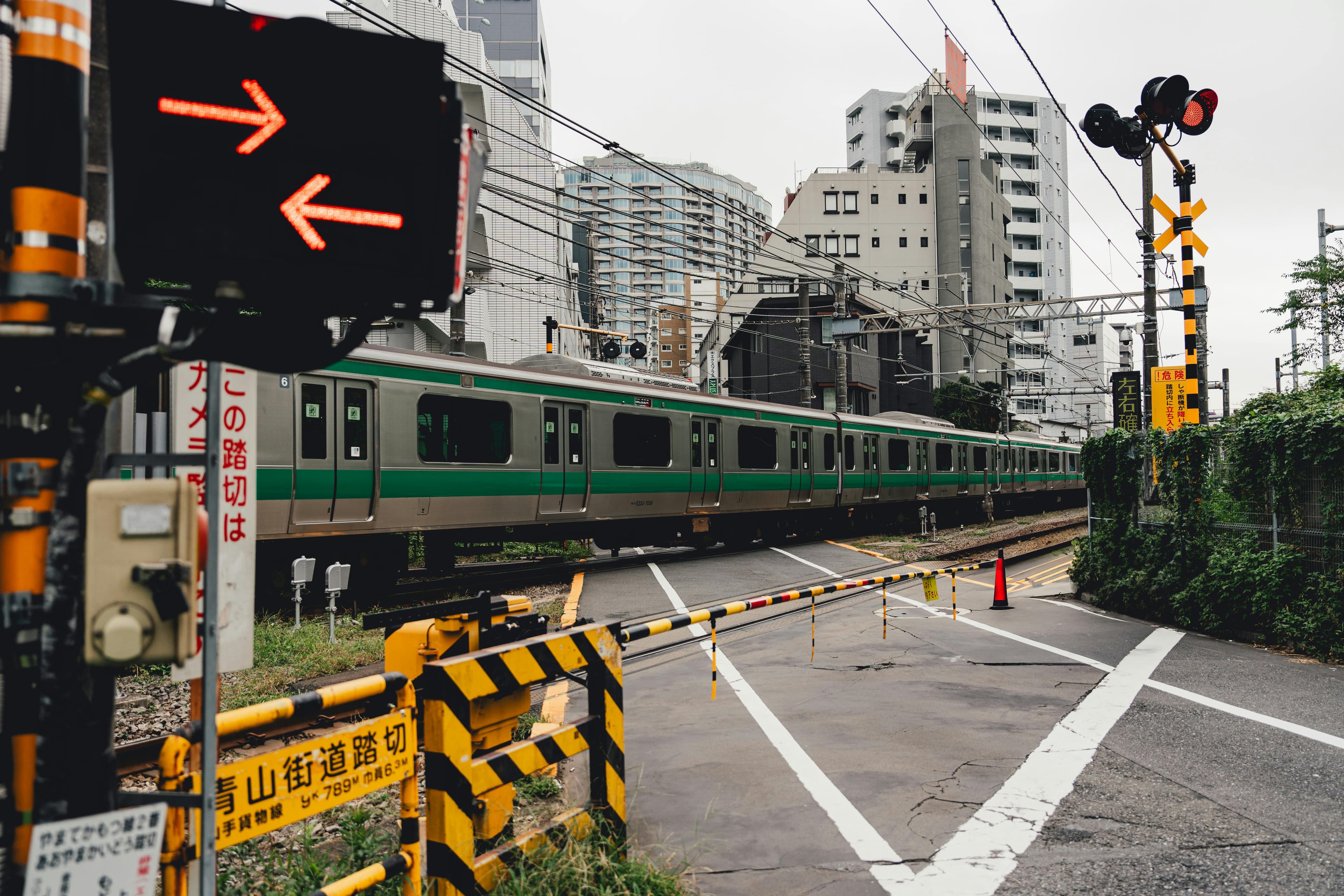
Japan's train network is legendary for its punctuality, coverage, and efficiency.
For foreign residents, understanding how to navigate the system — and which cards and passes to use — is an essential life skill.
This guide breaks down everything you need to know about IC cards, commuter passes, and navigating Japan by rail.
Understanding Japan's Train Network
Japan's rail network is operated by multiple companies.
JR (Japan Railways) is the national operator and covers long-distance, Shinkansen, and regional lines.
In the Tokyo metropolitan area, you'll also rely heavily on private railways like Tokyu, Keio, Odakyu, Seibu, Tobu, and Hankyu.
Subway systems (Tokyo Metro, Toei, Osaka Metro) add another layer of urban connectivity.
Understanding which company operates which line helps you plan routes and purchase the right passes.
IC Cards: Suica and Pasmo
IC (Integrated Circuit) cards are the most convenient way to pay for train travel in Japan.
The two most common cards are Suica (issued by JR East) and Pasmo (issued by Tokyo Metro and private railways).
Both cards work on virtually all trains, buses, and even some convenience stores and vending machines across Japan.
Suica
Suica is a rechargeable smart card issued by JR East.
You can get one at any JR station ticket machine or green window (Midori no Madoguchi).
A ¥500 deposit is required when purchasing, which is returned when you return the card.
Suica can be loaded onto your iPhone or Android as "Mobile Suica," eliminating the need for a physical card.
Mobile Suica supports automatic top-up via credit card, making it very convenient.
Pasmo
Pasmo functions identically to Suica on most train and bus networks.
It is issued by non-JR operators but is accepted everywhere Suica is.
Pasmo is available at private railway and subway station machines.
Like Suica, Pasmo now offers a mobile version compatible with NFC-enabled smartphones.
Which Should You Choose?
For most foreign residents, the choice between Suica and Pasmo is a matter of personal preference.
If you primarily use JR lines, Suica is slightly more convenient.
If you use private railways more, Pasmo may suit you better.
Both offer the same convenience for daily commuting.
Commuter Passes (定期券, Teikiken)
If you commute to the same workplace or school every day, a commuter pass (定期券) will save you significant money.
A commuter pass covers unlimited travel between two fixed stations on a specific route.
You can purchase passes for 1 month, 3 months, or 6 months — longer terms offer greater discounts.
How to Buy a Commuter Pass
Visit the ticket counter or machine at your starting station.
You'll need to specify your start station, end station, and the route.
For JR passes, you can also apply at the Midori no Madoguchi (green window).
Some passes can be loaded directly onto your Suica or Pasmo card.
Cost Savings
A monthly commuter pass typically costs about 30–40% less than buying individual tickets daily.
A 6-month pass offers even deeper discounts — sometimes up to 50% savings.
Many employers in Japan subsidize commuter pass costs as part of employee benefits (通勤手当).
Check with your employer's HR department to understand your commuting allowance.
Navigating Routes and Transfers
Google Maps works excellently for navigating Japanese train routes in English.
Simply input your destination and select "Transit" — it will show you train options, transfer points, and fares.
Jorudan and Hyperdia are popular Japanese transit apps that offer more detailed timetables.
Navitime is another app recommended for comprehensive transit planning in Japan.
Major transfer hubs like Shinjuku, Shibuya, and Ikebukuro can be overwhelming at first — follow English signs carefully.
When changing between JR and private railways, you typically need to exit and re-enter through different ticket gates.
With an IC card, this process is seamless — just tap in and out at each gate.
Practical Tips for Foreign Residents
Stand on the correct side of the escalator — in Tokyo, stand on the left; in Osaka, stand on the right.
Keep your voice low on trains — phone calls are generally discouraged.
Priority seating near train doors is reserved for elderly, pregnant, and disabled passengers.
During rush hour (7:00–9:00 AM and 5:30–8:00 PM), trains in major cities can be extremely crowded.
Always top up your IC card before travel to avoid being held up at the gate.
You can top up at any station machine or at convenience stores like 7-Eleven and FamilyMart.
Conclusion
Japan's train system rewards those who take time to understand it.
With a Suica or Pasmo card and a basic understanding of commuter passes, you'll be commuting like a local in no time.
For foreign residents settling in Japan, mastering the train system is one of the most empowering early steps toward feeling at home.