Area guides
Japan's Public Transportation System: A Complete Guide for Foreign Residents
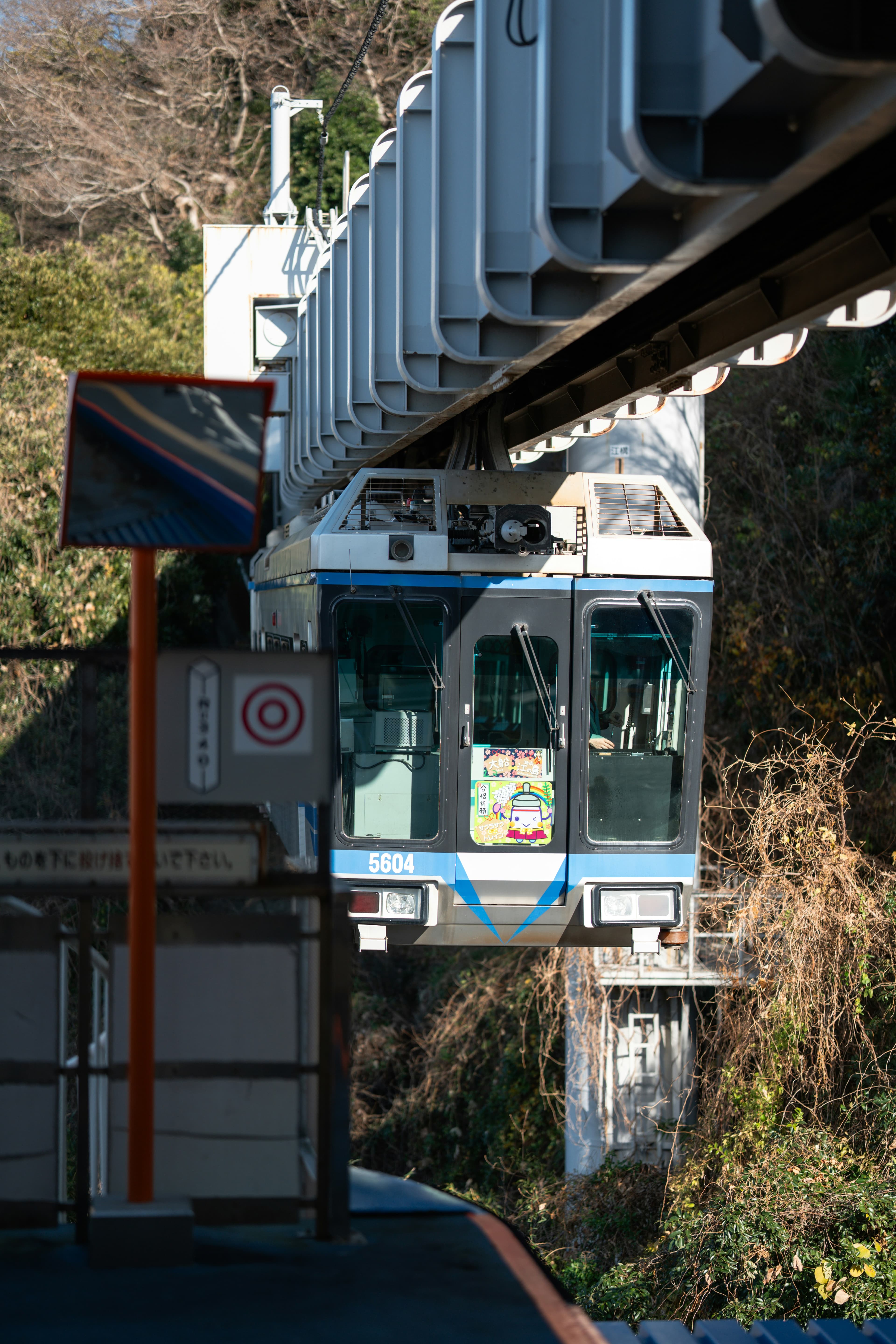
Japan's public transportation system is renowned worldwide for its punctuality, efficiency, and coverage. For foreign residents, mastering this network is key to daily life — whether commuting to work, exploring new cities, or traveling across the country. This guide covers everything you need to know.
IC Cards: Your Essential Travel Companion
The most important thing to get when you arrive in Japan is an IC (Integrated Circuit) card. The two most widely used are:
- Suica (issued by JR East, widely accepted in eastern Japan and many other regions)
- Pasmo (issued by Tokyo Metro and private railways)
Both cards work interchangeably on trains, subways, buses, and even in many convenience stores and vending machines. You can charge them at ticket machines at any station. A refundable deposit of ¥500 is required when purchasing.
How to Use IC Cards
Simply tap your card on the reader at the ticket gate when entering and exiting. The fare is automatically deducted based on your journey distance. If your balance runs low, you can top up at any station's ticket machine or convenience store.
Understanding the Train Network
Japan's train network consists of several overlapping systems:
- JR (Japan Railways): The national rail network, including the famous Shinkansen (bullet trains) and local JR lines
- Subway: Available in major cities like Tokyo, Osaka, Nagoya, and Kyoto — multiple operators may run in the same city
- Private Railways: Companies like Tokyu, Odakyu, Keio, and Hankyu operate their own lines connecting suburbs to city centers
- Monorail and Linear: Special lines like the Tokyo Monorail and Osaka Nanko Port Town Line
Reading Station Signs and Maps
Every station sign shows the station name in Japanese, romanized English (romaji), and often in Chinese and Korean too. Maps display line colors and station numbers (e.g., G05 for Ginza Line Station 5). When in doubt, use Google Maps or the Japan Official Travel App — both provide real-time route guidance.
Buying Tickets
If you don't have an IC card, you can buy single-journey tickets from vending machines at station entrances. Find your destination on the fare chart displayed above the machines, note the price, select it on the machine, and insert your money. Machines typically have an English language option.
Rush Hour: What to Expect
Tokyo's train rush hours (typically 7:30–9:30am and 5:30–8:00pm) are famously crowded. Tips for surviving rush hour:
- Board from the correct numbered position marked on the platform
- Allow passengers to exit before boarding
- Move to the center of the carriage to make space
- Women-only carriages are available on many lines during rush hours — look for the pink signage
- If possible, adjust your schedule to travel slightly before or after peak times
Train Etiquette
Japanese trains are quiet, orderly spaces. Important rules:
- Set your phone to silent mode
- Do not talk on your phone during the journey
- Give up priority seats (silver/blue seats) to elderly, pregnant, or disabled passengers
- Eating and drinking is generally discouraged on local trains (Shinkansen is an exception)
- Keep your backpack in front of you or in the overhead rack during crowded rides
Buses
Buses are essential in areas not covered by trains. In most cities, you board from the front and pay when you exit. In some cities (like Tokyo), you board from the middle door and tap your IC card. Fares are typically flat-rate within a city zone.
The Shinkansen (Bullet Train)
The Shinkansen connects major cities at speeds up to 320 km/h. Tickets include a base fare plus a limited express surcharge. You can purchase tickets at station ticket counters or through the Smart-EX app. The Japan Rail Pass (available to foreign visitors) offers unlimited Shinkansen travel and can be great value for long-distance travel.
Useful Apps for Navigation
- Google Maps: Most reliable for real-time routes and transit directions
- Hyperdia: Detailed train schedules and fare breakdowns
- Navitime: Good for bus and walking routes
- Yahoo! Transit (Japan): Popular with locals for train routes
Key Phrases for Public Transport
- "〇〇行きはどこですか?" (〇〇 yuki wa doko desu ka?) — Where is the train to 〇〇?
- "次は〇〇です" (Tsugi wa 〇〇 desu) — Next stop is 〇〇 (announcement)
- "乗り換えはどこですか?" (Norikae wa doko desu ka?) — Where do I transfer?
- "終電は何時ですか?" (Shuden wa nanji desu ka?) — What time is the last train?
Tips for Daily Commuters
- Get a commuter pass (teiki ken) for your regular route — it saves significant money compared to paying each time
- Register your IC card online so your balance can be refunded if lost
- Avoid the very first and last trains on weekdays — they are often the most crowded
- Download offline maps for areas with poor connectivity in tunnels
Japan's public transportation system may seem complex at first, but with an IC card and a good navigation app, you'll be moving confidently around Japan in no time.