Area guides
Healthcare in Japan for Foreign Residents: National Health Insurance, Finding a Doctor, and Hospital Tips
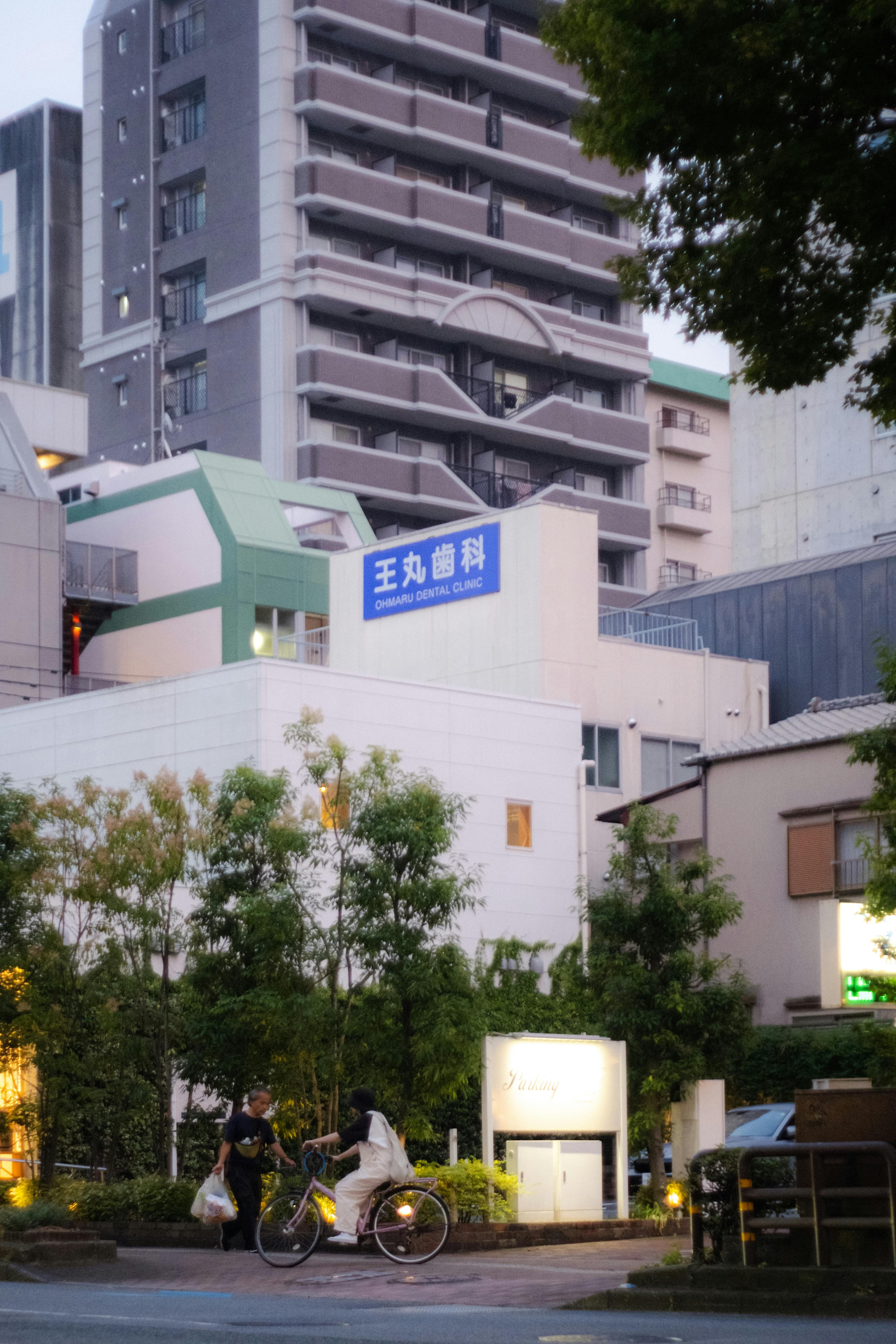
Japan has one of the world's most comprehensive healthcare systems.
As a foreign resident, you are required by law to enroll in Japan's National Health Insurance (国民健康保険, Kokumin Kenko Hoken) unless your employer covers you under Employee Health Insurance (社会保険, Shakai Hoken).
Understanding how to access and navigate the system is crucial for your well-being and peace of mind.
National Health Insurance (国民健康保険)
All residents of Japan — including foreign nationals — who are not covered by employer-sponsored insurance must enroll in the National Health Insurance (NHI) program.
NHI is managed by municipal governments (city or ward offices).
Coverage typically pays for 70% of medical costs, leaving the patient responsible for the remaining 30%.
For lower-income individuals, children, and elderly residents, co-payment rates may be reduced.
How to Enroll
Visit your local city or ward office (市区町村役場) within 14 days of registering your address.
Bring your residence card (在留カード), passport, and My Number card or notification.
Your monthly premium is calculated based on your previous year's income.
New arrivals with no Japanese income history typically receive the minimum premium rate.
Coverage
NHI covers most medical procedures, hospital visits, prescription medications, and dental treatments.
Certain services like cosmetic surgery, routine dental cleanings, and some vaccines are not covered.
Maternity care has limited coverage — additional costs apply for childbirth, though a lump-sum grant (出産育児一時金) of approximately 500,000 yen is available.
Employee Health Insurance (社会保険)
If you work full-time at a company, you will typically be enrolled in Shakai Hoken (社会保険).
Your employer pays approximately half the premium, significantly reducing your personal cost.
Shakai Hoken covers you, and in some cases your dependents, at the same 70/30 ratio.
Always confirm your insurance status with your HR department when starting a new job.
Finding a Doctor
Clinics vs. Hospitals
For most minor ailments — colds, infections, routine checkups — a local clinic (クリニック/診療所) is sufficient and faster.
Large hospitals (病院) are for more serious conditions and typically require a referral from a clinic.
Arriving at a large hospital without a referral may result in an additional fee (紹介状なし加算).
Many foreign residents find English-speaking clinics by searching through the AMDA International Medical Information Center or Japan Healthcare Info.
Useful Resources
AMDA International Medical Information Center provides multilingual hotlines in English, Chinese, Korean, Spanish, and Portuguese.
The Tokyo Metropolitan Health and Medical Information Center offers English-language phone consultations.
Google Maps searches for "English-speaking clinic" near your area are often effective.
International hospitals like St. Luke's in Tokyo and Kobe Adventist Hospital have dedicated foreign patient services.
At the Clinic or Hospital
Registration
Bring your health insurance card (保険証) and residence card to every appointment.
First-time patients fill out a registration form (問診票) describing symptoms.
If language is a barrier, bring a written list of your symptoms or use a translation app.
Prescription Medications
After your consultation, you may receive a prescription (処方箋).
Take this to a pharmacy (薬局) — pharmacies are often located near clinics.
Pharmacy staff typically provide dosage instructions on the medication packaging.
Keep copies of your prescriptions if you need to refill medications.
Hospital Etiquette
Wear clean, easy-to-remove clothing to appointments.
Speak calmly and quietly — Japanese medical settings tend to be reserved and formal.
It is customary to wait patiently even if wait times are long.
Always bow slightly when greeting doctors and nurses as a sign of respect.
Annual Health Checkups (健康診断)
Employers in Japan are legally required to provide annual health checkups (健康診断) for full-time employees.
The checkup covers blood pressure, blood tests, chest X-ray, and other basic screenings.
If your employer does not provide this, you can arrange a checkup through your local municipality.
Results are typically provided in Japanese — ask for an English summary if possible.
Emergency Services
For life-threatening emergencies, call 119 (ambulance and fire service).
Emergency ambulance services are free — you are only billed for the treatment received at the hospital.
For non-emergency medical questions, call #7119 in Tokyo to speak with a nurse or be directed to the appropriate clinic.
Keep your insurance card and emergency contact information in your wallet at all times.
Conclusion
Japan's healthcare system offers excellent quality care at manageable costs for residents.
By enrolling in the appropriate health insurance, finding English-friendly clinics, and understanding hospital etiquette, you can navigate medical care confidently.
Taking care of your health is an investment in your life and career in Japan — don't delay enrollment or routine checkups.