Area guides
What Does "Foreigner-Friendly" Apartment Actually Mean in Japan?
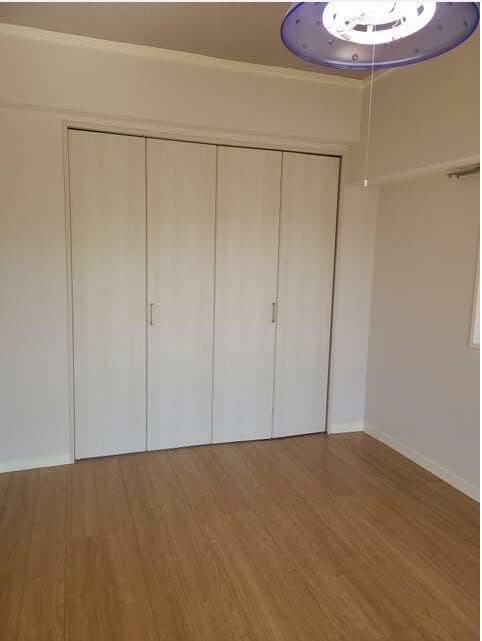
If you've searched for an apartment for foreigners in Japan, you've probably seen the label "foreigner-friendly" attached to listings, agencies, and whole neighborhoods. It's a useful signal, but it's also used loosely enough that it's worth knowing what it actually promises — and what it doesn't.
Where the label comes from
Japan doesn't have a legal definition of "foreigner-friendly" housing. It's a marketing term that agencies and landlords use to signal that they're used to working with non-Japanese tenants and won't reject an application simply because the applicant isn't a Japanese national. That's necessary context, because outright refusal based on nationality still happens in parts of the market, even though it isn't supposed to.
What a genuinely foreigner-friendly listing usually offers
A handful of concrete features separate a real foreigner-friendly apartment from one just wearing the label:
- No requirement for a Japanese guarantor. The listing either uses a guarantor company by default or waives the requirement outright.
- English-language support, at minimum for the contract summary and communication during the application process.
- No unwritten rules about visa type or nationality. Some landlords informally restrict rentals to certain visa categories or exclude specific nationalities — a genuinely foreigner-friendly listing doesn't do this.
- Realistic document requirements for newcomers, rather than assuming you already have a Juminhyo, a long Japan credit history, or years of local employment.
- Furnished or flexible-term options, which matter if you've just arrived and don't yet have furniture or a long-term commitment in mind.
Red flags to watch for
Some listings use the label without much behind it. Watch out for agencies that can't clearly explain the guarantor process in English, listings where the "foreigner-friendly" tag doesn't match the actual screening criteria once you inquire, or areas where locals mention landlords are known to reject applications quietly rather than in writing. Reading recent tenant reviews of an agency, when available, is a reasonable gut-check.
Property type matters as much as the label
In practice, the property type often tells you more than the marketing copy. Furnished Rentals and Share Houses are structurally built around shorter commitments and simpler paperwork, which is why they tend to be genuinely easier for foreign tenants regardless of how a specific listing is labeled. A standard 2-year Rental House can still be a great option, but it's worth checking the guarantor and document requirements case by case rather than trusting the label alone.
How to verify a listing is actually a fit
Before you commit time to an application, ask directly: is a guarantor or guarantor company required, is there an English-language contract summary, and what documents are needed given your specific visa status and how long you've been in Japan. A good agency will answer all three clearly and quickly. If you'd rather skip the guesswork, you can browse listings built specifically for foreign tenants, with no guarantor and no key money as standard rather than exceptions.