Area guides
Disaster Preparedness in Japan: How Foreign Residents Can Stay Safe During Earthquakes, Typhoons, and Other Emergencies
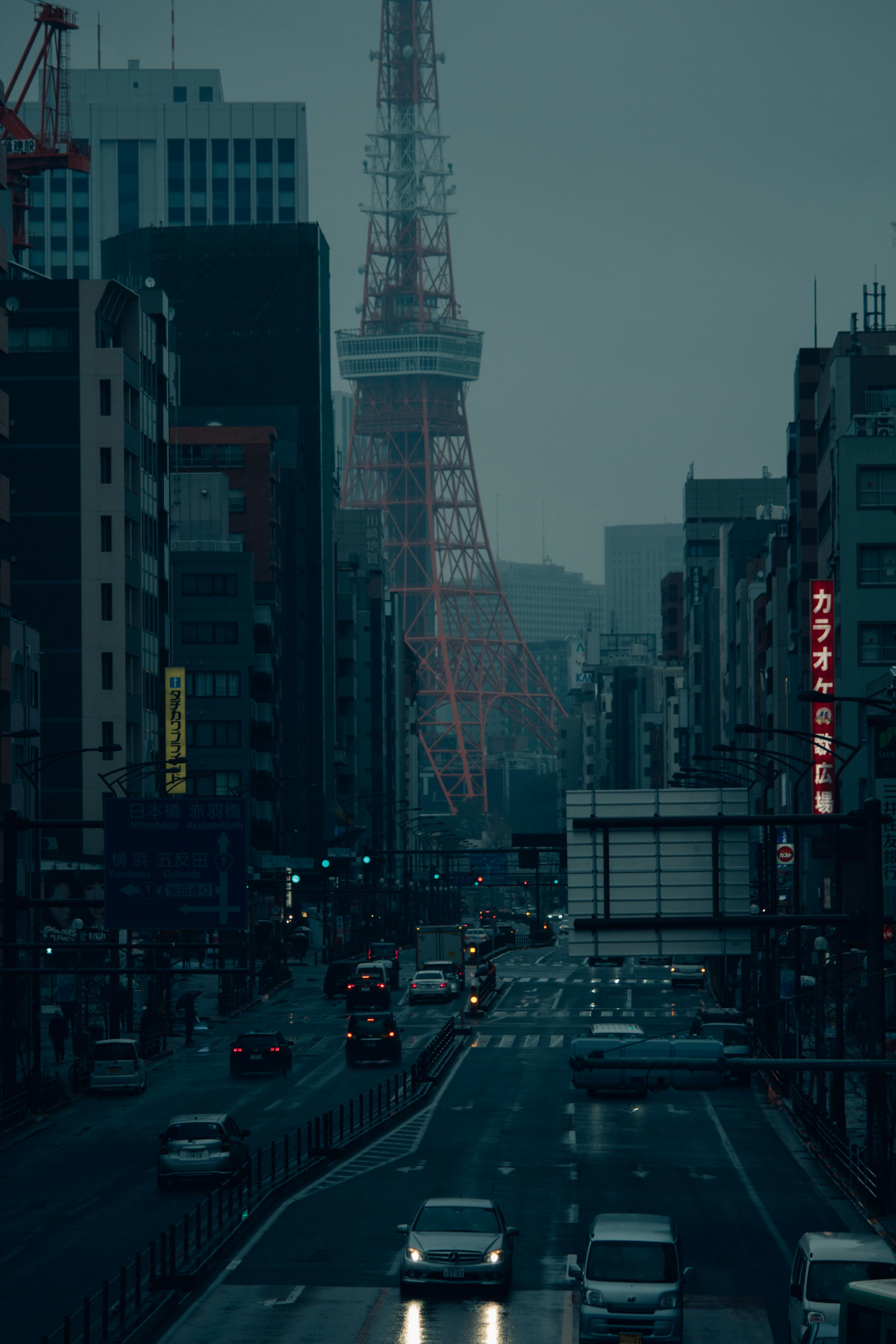
Japan is one of the most seismically active countries on Earth, and also experiences frequent typhoons, heavy rains, and occasional tsunamis. As a foreign resident, being prepared for natural disasters is not optional — it is essential. This guide gives you the knowledge and practical tools to stay safe.
Understanding Japan's Disaster Risks
- Earthquakes (Jishin): Japan experiences thousands of earthquakes annually. Most are minor, but major earthquakes (Magnitude 6.0+) occur regularly. Tokyo sits near multiple fault lines.
- Typhoons (Taifuu): Powerful tropical cyclones hit Japan from June through October, bringing heavy rain, flooding, and strong winds.
- Tsunamis: Major coastal earthquakes can trigger tsunamis. Coastal areas have warning systems and evacuation routes marked.
- Floods and Landslides: Heavy summer rains and typhoons cause flooding and landslides, especially in mountainous regions.
- Volcanic Activity: Japan has over 100 active volcanoes. Authorities issue eruption alerts with clear evacuation levels.
Step 1: Set Up Disaster Alert Systems
Essential Apps
- Safety Tips (NHK): Official multilingual disaster information app. Receives J-Alert (national emergency broadcast) notifications in English, Chinese, Korean, Spanish, and Portuguese. Install this immediately.
- Yahoo! Japan Disaster Prevention: Comprehensive alerts for earthquakes, typhoons, and flooding with evacuation information.
- NHK World: English-language news and emergency broadcasts from Japan's national broadcaster.
J-Alert System
Japan's national emergency broadcasting system (J-Alert) sends automatic alerts to mobile phones in affected areas — even without a local SIM card. You may hear sirens or receive a loud emergency tone on your phone. This means: take shelter immediately.
Register with Your Local Government
Most cities maintain a disaster prevention mailing list (bosai meiling). Register through your ward or city office to receive localized alerts in your area.
Step 2: Know Your Evacuation Routes and Shelters
- Visit your local ward/city office website and download the hazard map (hazard mappu) for your address. It shows flood zones, tsunami risk areas, earthquake-vulnerable buildings, and designated evacuation shelters.
- Walk your evacuation route in advance so you know it without needing to check a map.
- Note the location of your nearest evacuation shelter (hinan-jo) — typically schools or community centers.
- Register as a foreign resident at your local disaster center — some cities offer multilingual support at shelters.
Step 3: Prepare an Emergency Kit (Hijyo-bukuro)
Every household in Japan should have an emergency bag ready to grab in under a minute. Pack:
Water and Food
- 3 days' supply of drinking water (2 liters per person per day)
- Non-perishable food (canned goods, energy bars, instant rice pouches)
- Manual can opener
Documents and Money
- Copies of passport, residence card, insurance card, and My Number card
- Emergency cash in small bills (ATMs may be down after a disaster)
- Bank account numbers and insurance policy details
Health and Safety
- First aid kit
- Prescription medications (at least 3–5 days' supply)
- Flashlight and extra batteries (or hand-crank flashlight)
- Portable phone charger / power bank
Comfort and Communication
- Emergency whistle
- Rain poncho and work gloves
- Dust masks (N95 or equivalent)
- Portable radio (battery or hand-crank) for NHK broadcasts
- Pen and paper (when phones are down)
Step 4: What to Do During an Earthquake
- Drop, cover, and hold on: Get under a sturdy table or desk. Protect your head and neck with your arms.
- Stay away from windows: Glass shattering is a major hazard.
- Do not run outside immediately: Most injuries happen from falling objects near building exits.
- After shaking stops: Check for gas leaks (smell and sound). Open a window or door for ventilation. Turn off gas at the main valve if you smell gas.
- Do not use elevators: Always use stairs after an earthquake.
- Check for tsunami warnings if you live in a coastal area — evacuate immediately to high ground if warned.
Step 5: What to Do During a Typhoon
- Monitor weather forecasts beginning 2–3 days before typhoon landfall
- Stock up on food, water, and batteries in advance
- Secure outdoor furniture and items that could become projectiles
- Avoid going outside during the typhoon — even a calm "eye" period can be followed by severe winds
- Follow evacuation orders from local authorities if your area is at risk of flooding or landslides
Emergency Phone Numbers
- 119: Ambulance / Fire department
- 110: Police
- #7119: Medical advice (non-emergency)
- #9110: Police consultation (non-emergency)
Key Japanese Disaster Vocabulary
- 地震 (Jishin) — Earthquake
- 台風 (Taifuu) — Typhoon
- 津波 (Tsunami) — Tsunami
- 避難所 (Hinanjo) — Evacuation shelter
- 避難勧告 (Hinan Kankoku) — Evacuation advisory
- 避難指示 (Hinan Shiji) — Evacuation order (mandatory)
Disaster preparedness takes an afternoon to set up but provides lifelong peace of mind. Take action today — before a disaster occurs.